
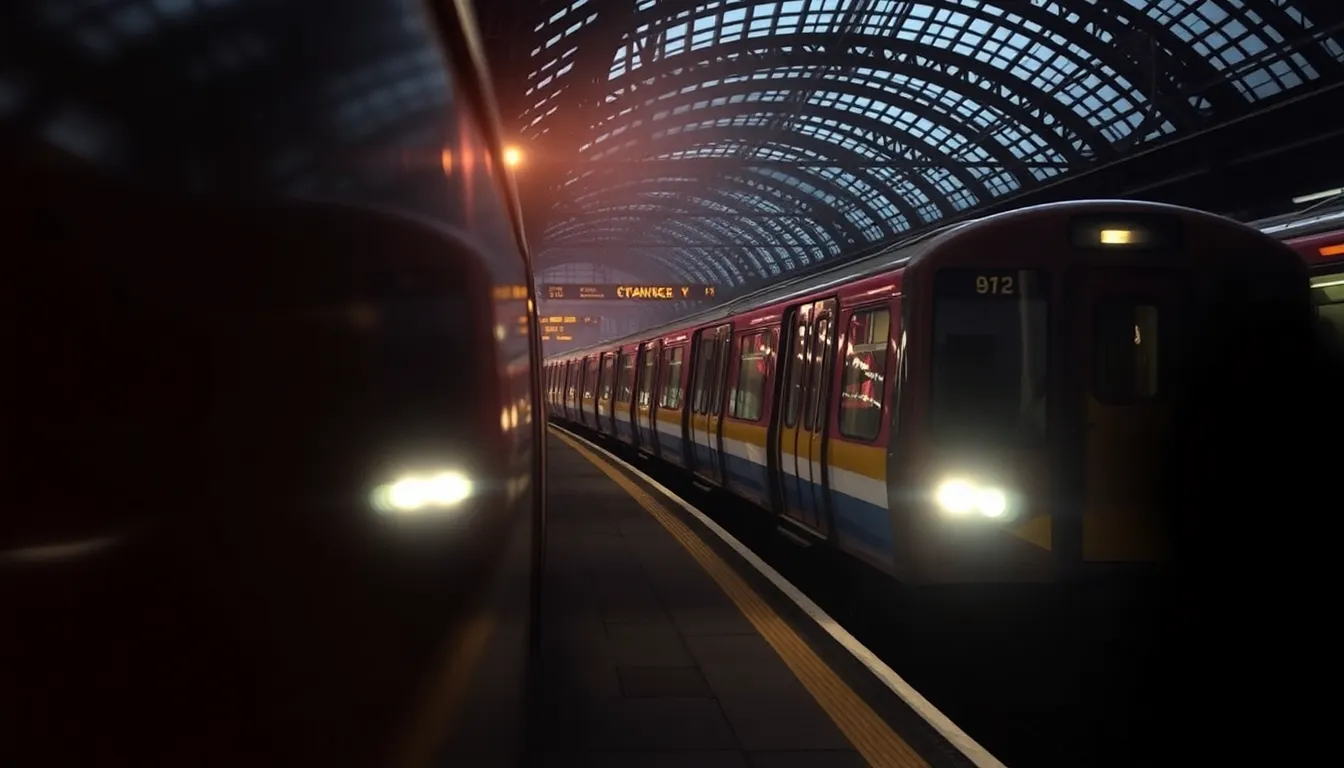
Southern Trains Radio Fault Causes Chaos Across London Commute

What Happened: A Critical Communications Breakdown
Thursday morning brought unexpected turmoil to commuter networks across Southern England, when a significant radio fault crippled the vital communication system connecting train drivers with signalling control centres. National Rail declared a major incident shortly after services began, revealing the scale of the problem affecting multiple operators including Southern, South Western Railway, Thameslink, Gatwick Express, CrossCountry, and Great Western Railway. The fault, originating in the early hours, immediately cascaded disruption through one of Britain’s busiest commuter corridors—the lifeline connecting towns across Sussex, Surrey, Kent, and Hampshire directly into London’s central hubs. Thousands of residents who depend on these routes for their daily work commutes found themselves stranded or facing delays of up to 90 minutes. Services into London Victoria, traditionally a gateway for those heading toward iconic london attractions like Tower Bridge, Big Ben, and Trafalgar Square, ground to a virtual halt. The technical nature of the problem—essentially silencing the radio link essential for safe train operation—meant signallers couldn’t communicate with drivers, forcing operators to reduce services to manageable levels. By mid-morning, the disruption showed no signs of easing, with authorities warning the fault could persist throughout the entire day.
How Local Communities Are Being Hit
For residents across South London suburbs, Surrey villages, and Kent towns, this wasn’t simply an inconvenience—it’s disrupting livelihoods, medical appointments, and important life events. Parents struggling to reach workplaces face difficult choices about childcare arrangements. Those with hospital appointments in the capital worry about missing critical medical procedures. Businesses relying on reliable staff attendance are scrambling to manage skeleton crews. The ripple effects extend beyond individual passengers; hospitality venues, retail shops, and service sectors across London that depend on foot traffic from commuters face a quieter-than-usual day. Local transport teams have activated alternative arrangements, with some operators accepting tickets on replacement bus services, but these solutions prove inadequate for longer-distance journeys from outer communities. The TfL London Overground network is operating normally, offering modest relief for inner-London movements, but this doesn’t help those traveling from distant stations. Community groups and workplace networks have activated informal support systems—friends offering lifts, local businesses providing quiet spaces for those unable to reach offices. The psychological toll shouldn’t be underestimated; commuters feel the vulnerability of depending on aging infrastructure that can fail so completely.
What You Need to Do Now: Essential Traveller Guidance
If your journey today is essential, prepare yourself for significant disruption by checking real-time updates from your specific train operator before leaving home. National Rail, individual operator websites, and journey planning apps like Citymapper and Traveline provide live information on cancellations and revised timetables. Allow considerably extra time—the 45-minute journey might become two-and-a-half hours. Consider whether your trip to London attractions, business meetings, or appointments can be postponed until tomorrow when services should normalise. If travel is unavoidable, explore alternative routes: some operators honour tickets on competing services, while bus travel (though slower) remains viable for many routes. Document any journey disruptions for Delay Repay compensation claims—operators must refund fares where significant delays occur. Contact your employer if you’ll be late; many organisations are granting flexibility given widespread awareness of the incident. For those planning leisure activities, postponing visits to Soho galleries, Buckingham Palace tours, or other london events might be wise today. Check individual venue websites for any london events cancellations. Stay hydrated and patient at stations; staff are working under pressure. Tomorrow should bring normalcy, but today demands flexibility and realistic expectations about travel timeframes across the entire Southern network.
Source: Major Radio Fault Hits Southern Trains: Local Commuters Face Chaos