South London’s Hidden Gems: Uncovering Inter-War Railway Stations

South London’s Overlooked Architectural Heritage
While Londoners often celebrate the iconic designs of Charles Holden’s Underground stations, a fascinating chapter of the capital’s railway history south of the Thames has long remained less known. A new book, “Trackside Transformation: The Evolution of British Mainline Stations 1923-1947,” by Daniel Wright and Philip Butler, now brings these hidden architectural gems to light. Between the two World Wars, as commuter numbers soared, the Southern Railway, one of the era’s ‘Big Four’ companies, embarked on an ambitious expansion and electrification programme in South London. Unlike the subterranean network of the Tube, the Southern Railway focused on modernising its surface-level mainline routes, creating a dense network that mirrored the Underground’s service frequency but with its own distinct architectural flair. This period saw the construction of numerous striking stations designed to meet burgeoning demand, offering a unique glimpse into the functional yet stylish building trends of the age, and forming a vital part of the daily lives of countless south London residents.
Modernist Masterpieces of the Southern Railway
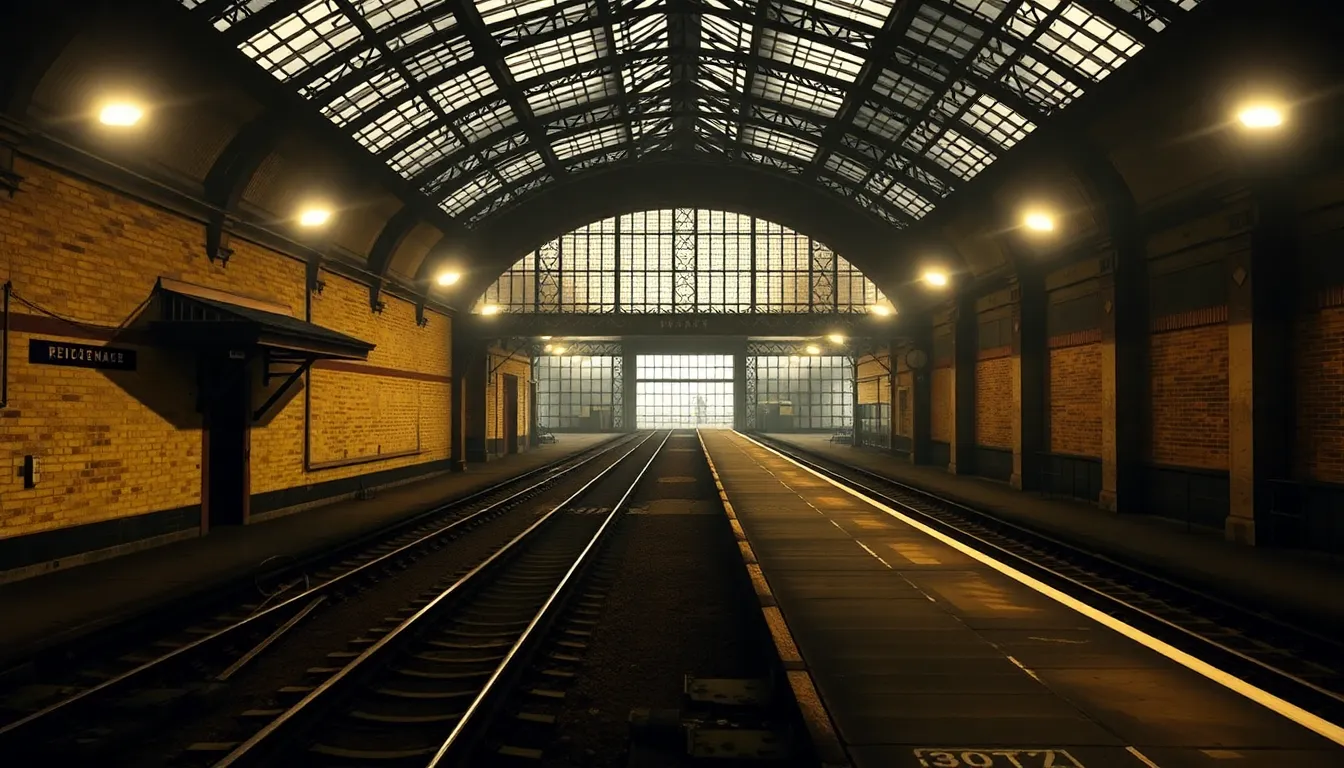
Initially, Southern Railway’s new stations adopted a polite neo-classical style, exemplified by the charming survivor at Bromley North (1926). However, influenced by the same international design trends sweeping Britain, chief architect James Robb Scott soon transitioned to a bold modernist and Art Deco aesthetic. These designs, though less celebrated than their Underground counterparts, were groundbreaking for their time. Surbiton station (1937) stands as a prime example, renowned for its lofty booking hall, restored bronze uplighters, and dramatic clock tower. Another testament to this period is Richmond station (also 1937), which recently underwent restoration, uncovering stylish 1930s glass signage and replica Art Deco light fittings. These stations were not just transport hubs; they were symbols of modernity, designed to streamline the commuter experience and connect a rapidly growing South London to the wider city. These modern hubs significantly shortened travel times, connecting residents from the southern suburbs directly to the heart of the capital, making popular central destinations like Trafalgar Square more accessible for both daily commutes and weekend excursions.
Preserving a Unique Chapter in London’s Transport Story
The relative obscurity of these magnificent Southern Railway stations, compared to their Tube cousins, can be attributed to several factors. Unlike Frank Pick, the visionary CEO of the Underground who championed architecture, the Southern Railway prioritised publicising its extensive and frequent services over its architectural achievements. Furthermore, the subsequent nationalisation of railways in 1948 and repeated privatisations in the 1990s led to a lack of consistent recognition and maintenance for these vital structures. Despite this, their enduring presence is a testament to their robust design and continued importance to local communities. Today, these stations remain integral parts of South London’s infrastructure, facilitating daily travel for thousands. By highlighting these structures, “Trackside Transformation” encourages both locals and visitors to appreciate these often-overlooked london attractions. They offer a tangible link to a pivotal era of urban development, reminding us how infrastructure shapes our lives and enables participation in diverse london events. Understanding this rich heritage enriches our appreciation for the capital’s complex and layered history.
Source: South London’s Inter-War Stations Built To Rival The Tube’s