Piccadilly Historic Heart of London

Piccadilly: London’s Historic Heart
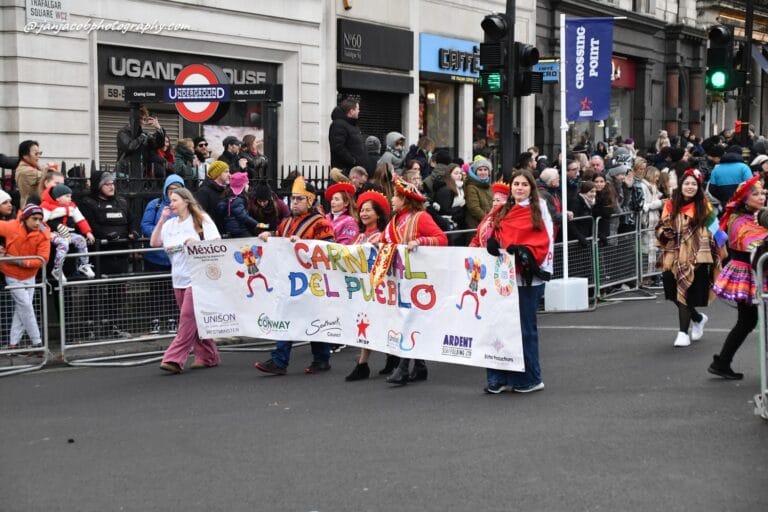
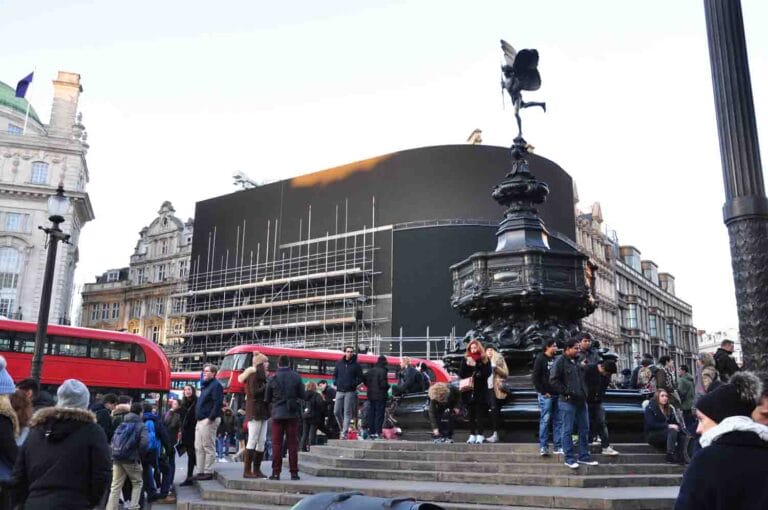
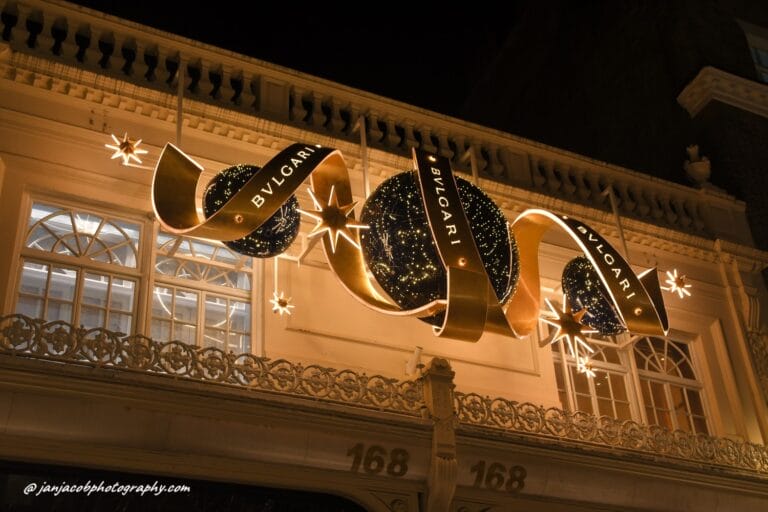
Piccadilly is a central London street with deep historical roots. Originally linked to trades making piccadills, it developed into a vibrant area lined with iconic landmarks, historic buildings, and cultural venues. Over centuries, it has reflected London’s changing face, from Victorian grandeur to modern luxury. Its significance spans literature, art, and entertainment, making it a key part of the city’s identity. Exploring Piccadilly reveals a blend of history and contemporary life that continues to shape London’s character. The special Christmas-time Piccadilly route from Hyde Park Corner to Green Park and to Piccadilly Circus is a destination not only for visitors.

The Medieval Origins and Development of Piccadilly
How did Piccadilly originate during medieval times? Originally called Portugal Street, the name Piccadilly appeared east of Swallow Street by 1673, eventually covering the entire street.
In 1661, land was leased to trustees of the Earl of St Albans, and by 1674, Nos. 162–165 became freehold properties.
Early development included the construction of inns like the White Bear Inn in 1685.
The street’s growth was driven by landowning families and trades involved in making and selling piccadills, a type of stiff collar.
These early developments laid the foundation for Piccadilly’s transformation into a prominent London thoroughfare.
Iconic Buildings and Architectural Highlights of Piccadilly
Piccadilly is renowned for its array of historic and architecturally significant buildings that define its character. Notable structures include the Ritz Hotel, an iconic luxury hotel opened in 1906, and Fortnum & Mason, established in 1705 as a grocery retailer.
The Egyptian Hall, built in 1812, features ancient Egyptian-inspired architecture and hosts exhibitions.
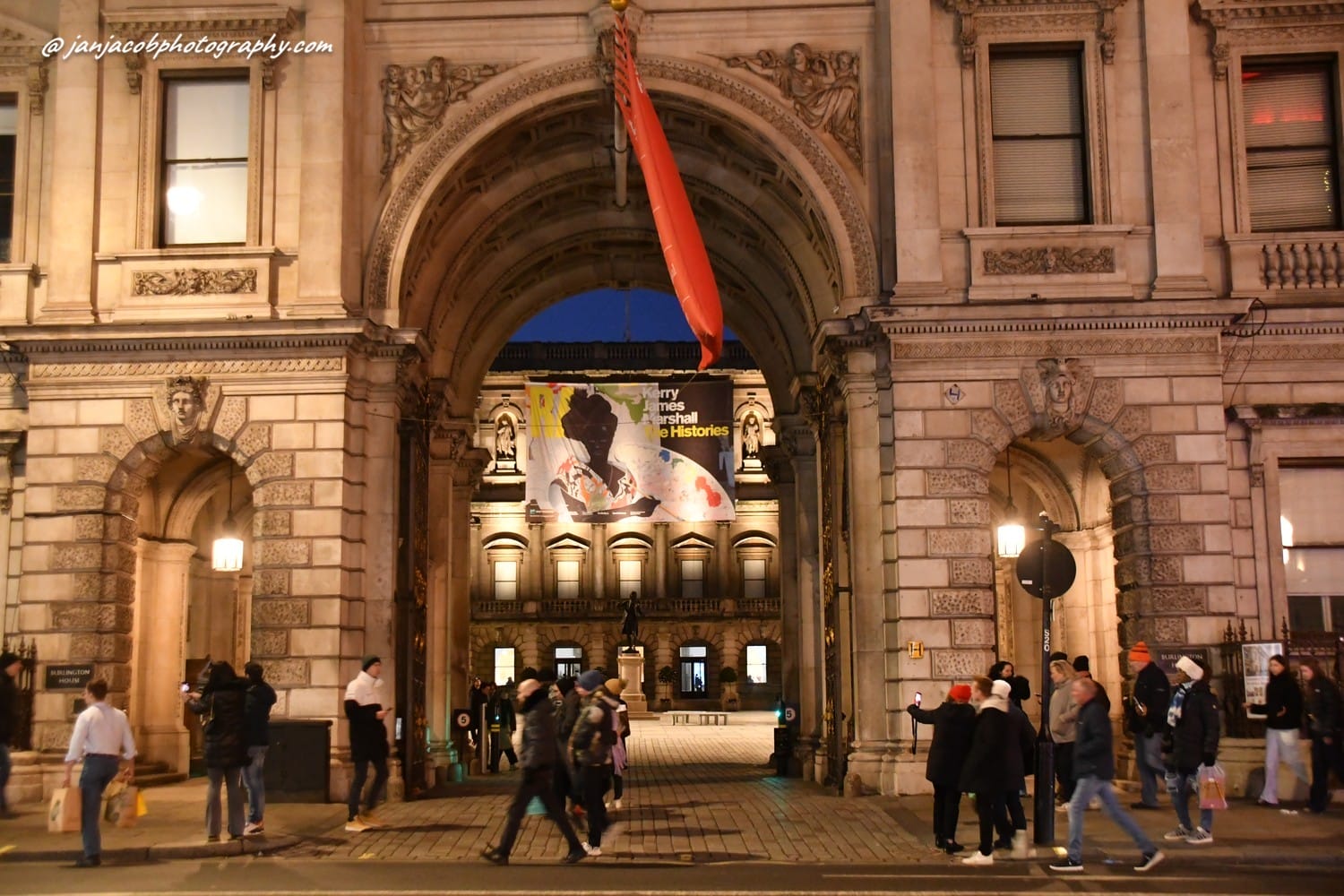
The Grade II-listed Royal Institute of Painters in Water Colours, constructed in the early 1880s, adds to the street’s artistic heritage.
These buildings showcase a mix of styles, from classical to Victorian, reflecting Piccadilly’s rich architectural history and its role as a center of commerce and culture.

Piccadilly in Literature, Art, and Stage Performance
Did the vibrant life of Piccadilly inspire writers, artists, and performers throughout history? Yes, the street has appeared in many works, reflecting its cultural significance. Literature references include Oscar Wilde’s “The Importance of Being Earnest,” where Piccadilly’s elegance is highlighted.
Artists have depicted its lively scenes, capturing its bustling atmosphere in paintings. Stage performances have referenced Piccadilly in musicals and plays, emphasizing its role as a social hub.
Additionally, its landmarks, like the Ritz and Fortnum & Mason, often serve as symbols of London’s glamour in stories and visual art. Overall, Piccadilly’s dynamic character has made it a recurring subject in London’s cultural and artistic history.
Piccadilly’s 20th Century Changes: From Glamour to Challenges
During the 20th century, Piccadilly underwent significant transformations that reflected broader social and economic changes in London. The area saw many historic buildings demolished or repurposed, with commercial interests taking precedence over residential spaces.
Luxury hotels like the Ritz remained prominent, but new retail developments replaced traditional shops and inns. Social issues emerged, including drug-related activities and squatting, which challenged the area’s reputation.
Despite these challenges, Piccadilly gradually regained its status as a premier shopping and entertainment district. Modern renovations and urban planning efforts improved infrastructure, helping to preserve its historic significance while adapting to contemporary demands.

Contemporary Piccadilly: Shopping, Hotels, and Urban Renewal
How has the area around Piccadilly evolved in recent years to accommodate modern needs? The district now features a mix of luxury hotels, flagship stores, and cultural venues, reflecting its status as a prime shopping and hospitality destination. Urban renewal projects have improved public spaces and pedestrian access, supporting tourism and local commerce.
The area maintains historic landmarks while adapting to contemporary demands.
- High-end shopping districts and flagship stores
- Renovated hotels like The Ritz and Intercontinental
- Restoration of historic buildings and public spaces
- Enhanced pedestrian zones and street improvements
- Presence of cultural institutions and educational centers
Getting Around Piccadilly: Transport and Accessibility Today
Getting around Piccadilly today is made easier by a well-developed transportation network that serves both visitors and locals. Multiple London Underground stations, including Piccadilly Circus, Green Park, and Hyde Park Corner, provide convenient access to the area, with the Piccadilly line running beneath the street.
Bus routes such as 6, 9, 14, and 22 connect Piccadilly to other parts of London.
Major roads and junctions, such as Piccadilly Circus and Green Park, serve private vehicles and taxis. Infrastructure improvements over the years have enhanced traffic flow and pedestrian access.

Hidden Gems and Key Cultural Landmarks of Piccadilly
What are some of the lesser-known but significant London cultural landmarks and hidden gems that define Piccadilly’s unique character? Piccadilly hosts several understated sites that enrich its historic and cultural landscape. These include:
- The Royal Institute of Painters in Water Colours, an architectural Grade II-listed building showcasing artistic heritage.
- Hatchards, Britain’s oldest bookshop, offering a glimpse into literary history since 1797.
- Fortnum & Mason – Royal grocery retailer since 1705
- The Egyptian Hall, an early 19th-century exhibition space inspired by ancient Egypt, once housed notable antiquities.
- The lesser-known side streets with historic pubs and cafes, reflecting Piccadilly’s social history.
- Hidden gardens and courtyards within luxury hotels provide quiet retreats amid bustling surroundings.
Frequently Asked Questions
What Are the Origins of the Name “Piccadilly”?
The name “Piccadilly” originates from the 17th century, derived from the term “pikkadill,” referring to a type of collar or ruff worn by fashion-conscious individuals at the time.
It is believed that the name was linked to the sale of these ruffled collars, known as piccadills, by street vendors along the avenue.
Over time, the area became associated with the name, which evolved into “Piccadilly.”
How Did Piccadilly Evolve Into a Luxury Shopping Destination?
Piccadilly transformed into a luxury shopping destination through the gradual development of high-end stores and prestigious hotels.
In the 18th and 19th centuries, affluent families established mansions along the street, attracting exclusive retailers. Notable establishments like Fortnum & Mason and Hatchards laid the foundation for upscale commerce.
Over time, iconic landmarks such as The Ritz Hotel and flagship stores cemented Piccadilly’s reputation as an elite retail and social hub, maintaining its status into modern times.
What Role Did Piccadilly Play During London’s Social and Cultural Movements?
Piccadilly has historically been a center for social and cultural movements in London. It hosted important events, such as literary readings at St James’s Hall and exhibitions at the Egyptian Hall, reflecting artistic and intellectual currents.
The street also experienced social change through its association with nightlife, entertainment, and later, social issues like homelessness and drug trade, shaping its identity as both a cultural hub and a site of societal transformation.
How Has Piccadilly’s Architecture Changed Over the Centuries?
Over the centuries, Piccadilly’s architecture has evolved from modest residences and historic inns to grand, purpose-built structures. Early buildings were replaced or repurposed, reflecting shifting styles and needs.
The 19th century introduced notable landmarks such as the Egyptian Hall and the Royal Institute of Painters in Water Colours, showcasing ornate designs.
In the 20th and 21st centuries, modern developments and renovations have blended historic facades with contemporary architecture, maintaining the street’s cultural significance.
What Are the Current Conservation Efforts for Piccadilly’s Historic Sites?
Current conservation efforts in Piccadilly focus on preserving its historic buildings and landmarks through listed status and careful urban planning. Many structures, such as the Grade II listed Royal Institute of Painters in Water Colours, are protected from unsympathetic development.
Local authorities collaborate with heritage organizations to maintain the area’s architectural integrity, ensuring restoration projects respect historical significance while accommodating modern needs. These initiatives help sustain Piccadilly’s cultural and historic character.


Conclusion
Piccadilly remains an essential part of London’s heritage, combining historic charm with modern vibrancy. Its architecture reflects centuries of change, its landmarks tell stories of cultural significance, and its streets connect visitors to the city’s past and present. Whether exploring its landmarks, shopping in its stores, or enjoying its entertainment venues, visitors can experience a blend of tradition and innovation. Ultimately, Piccadilly continues to symbolize London’s enduring appeal, offering accessibility, diversity, and a rich cultural experience for all.
As a premier piccadilly london attraction, this iconic district seamlessly blends centuries of rich history with modern entertainment and world-class shopping experiences.
The area’s proximity to Whitehall and Westminster has historically made government jobs Piccadilly a popular search for civil servants seeking nearby employment.
When you visit London Piccadilly, you’ll discover centuries of rich history woven into one of the city’s most iconic districts.
The area serves as a cultural gateway where visitors can easily access renowned london museums piccadilly has to offer within walking distance.
Students studying in London Piccadilly will find themselves at the center of centuries of rich British history and vibrant cultural heritage.