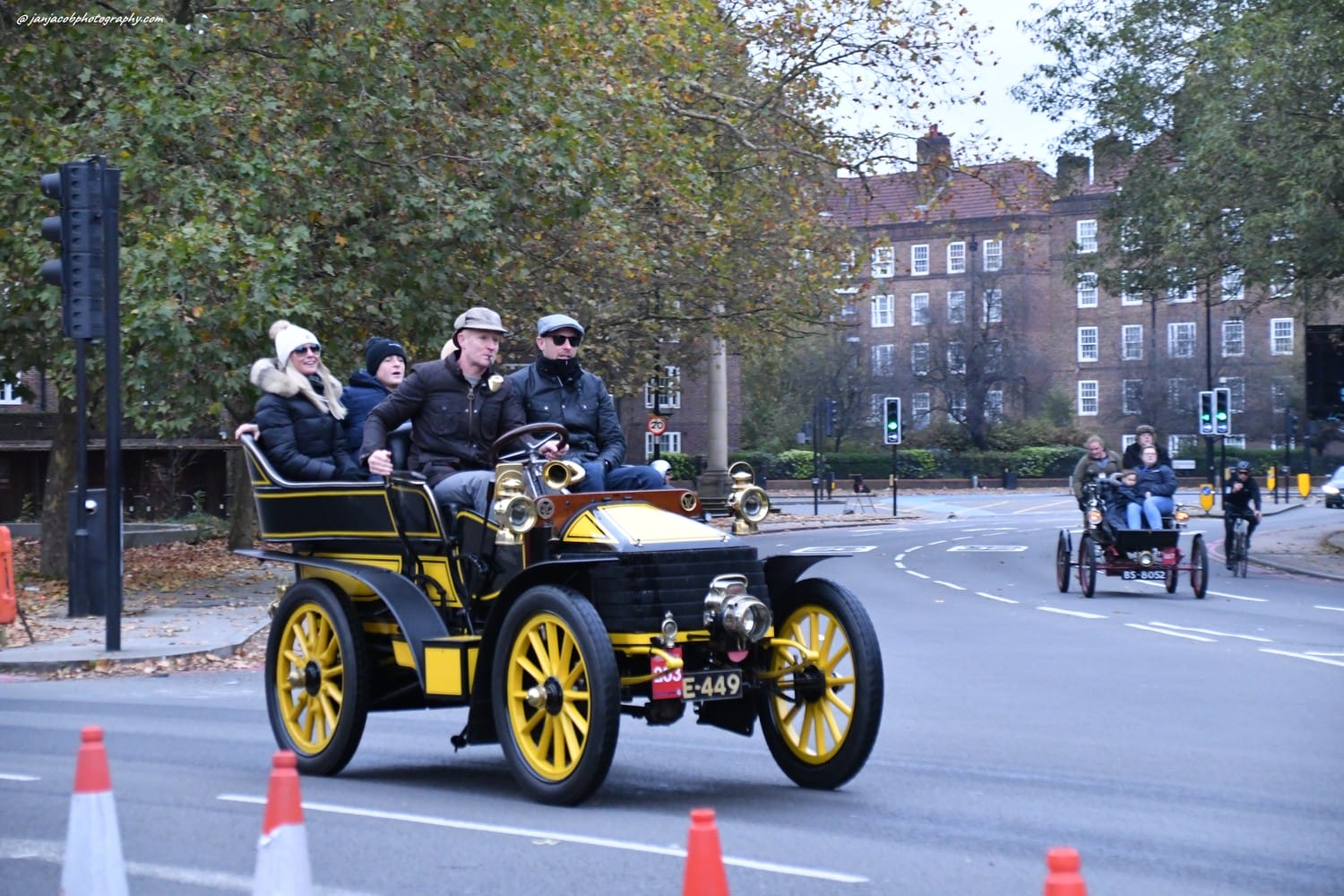
Historic London to Brighton Old Car Run

Historic London to Brighton Veteran Car Rally
Each year on the first Sunday of November. Early morning, you can watch an old car run from London to Brighton. The Historic London to Brighton Car Rally, established in 1896, stands as a significant celebration of automotive heritage and technological innovation, tracing a scenic route from Hyde Park through Surrey and Sussex to Brighton. This event features vintage vehicles from the late 19th and early 20th centuries, emphasizing preservation, safety, and cultural importance. Its enduring appeal, notable participants, and evolving initiatives invite further exploration into the rally’s role in safeguarding early motoring history and inspiring future generations.
Quick Overview
- Celebrates the 1896 Emancipation Run, marking the rise of early motor vehicles.
- Features vintage cars from the late 19th and early 20th centuries, showcasing automotive heritage.
- Starts in Hyde Park, London, and travels through Surrey and Sussex to Brighton.
- Includes notable participants and royal guests, emphasizing cultural significance.
- Emphasizes preservation, safety, and camaraderie among vintage vehicle enthusiasts.

Origins and Historical Significance of the Event
The origins of the London to Brighton Car Rally, now celebrated as the Veteran Car Run, are deeply rooted in the late 19th century, a period marked by rapid technological innovation and societal fascination with the emerging automotive industry.
Established on 14 November 1896 as The Emancipation Run, it commemorated the Locomotives on Highways Act 1896, which relaxed vehicle restrictions. Organized by Harry John Lawson, the event featured 33 motorists departing from London, including the first American-made Duryea vehicles, and aimed to showcase new automotive technology.
This pioneering run laid the foundation for a tradition emphasizing progress, innovation, and the cultural significance of early motoring.
The Route From London to Brighton
The route from London to Brighton, which has been the focus of the veteran car rally since its inception, follows a historically significant and carefully selected pathway that combines scenic landscapes with strategic urban stops.
Originating primarily along the old A23 road, the journey begins in Hyde Park, traverses through the bustling streets of central London, and then moves through the picturesque countryside of Surrey and Sussex.
Beginning in London Hyde Park, the route follows the historic A23 through London and the scenic Surrey and Sussex countryside.
Notable stops include Crawley for refreshments and Preston Park in Brighton, where the event concludes.
This route is designed to showcase both the urban heritage and natural beauty of southern England, celebrating the region’s rich automotive and cultural history.

Celebrating the Era of Veteran Automobiles
Celebrating the era of veteran automobiles offers a profound glimpse into the technological and cultural history of the late 19th and early 20th centuries, highlighting vehicles that marked the pioneering days of motorized transportation. These early cars, often characterized by their simplicity and inventive engineering, symbolize innovation during a transformative period.
Enthusiasts preserve and showcase models such as the Duryea Motor Wagon and early De Dion-Bouton, emphasizing craftsmanship and design from a bygone era. The event fosters appreciation for historic engineering achievements, encouraging a deeper understanding of automotive evolution while inspiring ongoing interest in heritage vehicles and their role in shaping modern transportation.
Notable Participants and Royal Attendance
Among the most distinguished aspects of the London to Brighton Car Rally are its remarkable participants and the esteemed attendance of members from royalty and influential figures in motorsport and society.
Renowned personalities such as Stirling Moss, Sir Malcolm Campbell, and Nigel Mansell have historically participated, bringing prestige and recognition to the event.
Particularly, members of the royal family, including Queen Elizabeth II as a passenger in a 1900 Daimler and Prince Rainier and Princess Grace of Monaco in 1968, have attended, underscoring the event’s cultural significance.
These distinguished figures exemplify the rally’s enduring appeal, blending historic celebration with high-profile recognition.

Vehicle Regulations and Event Philosophy
What principles underpin the vehicle regulations and overall philosophy of the London to Brighton Car Rally, ensuring it remains a celebration of historic motoring rather than a competitive race?
The event emphasizes preservation, authenticity, and safety, requiring vehicles to be built before 1905, thereby maintaining historical integrity. Participants are restricted to an average speed of 20 mph, reinforcing the rally’s leisurely, non-competitive nature.
Organizers promote camaraderie and appreciation of vintage engineering, awarding medals based on completion time rather than placement. This approach fosters a respectful celebration of early automotive innovation, encouraging enthusiasts to experience history firsthand while emphasizing safety, authenticity, and the shared heritage of motoring.
Modern Developments and Eco-Friendly Initiatives
Modern developments in the London to Brighton Car Rally reflect a growing commitment to environmental sustainability and technological innovation, aligning the historic event with contemporary efforts to reduce automotive emissions and promote eco-friendly transportation.
Initiatives such as the Brighton to London Future Car Challenge showcase advancements in low-energy vehicles, including electric and hybrid models, demonstrating their efficiency and potential for mainstream adoption. These efforts encourage participants and spectators to appreciate cleaner alternatives while preserving the rally’s heritage.

Media Coverage and Cultural Impact
Media coverage and the cultural impact of the London to Brighton Car Rally have markedly contributed to shaping public perceptions of historic motoring and preserving its heritage as a celebrated national event. Extensive media attention, including broadcasts by the BBC and features in automotive programs like Wheeler Dealers, has elevated the event’s profile, attracting enthusiasts worldwide.
Photographic archives and online galleries showcase its historical significance, inspiring appreciation for vintage vehicles and their stories. The rally’s portrayal in documentaries and popular media fosters a sense of national pride, ensuring its legacy endures as an iconic celebration of technological progress, cultural history, and the enduring appeal of classic automobiles.
In 2022, Driving Was Difficult Due To Heavy Rain
The Future of the Veteran Car Run
The future of the Veteran Car Run appears poised to embrace both technological innovation and a renewed commitment to heritage preservation, ensuring that this historic event continues to captivate audiences and inspire enthusiasts around the world.
Advances in eco-friendly vehicle technology, such as electric and hybrid engines, are being integrated through initiatives like the Brighton to London Future Car Challenge, highlighting progress without compromising historical authenticity.
Additionally, organizers emphasize educational outreach and conservation efforts, aiming to attract new generations of participants and spectators.
Frequently Asked Questions
How Do Participants Prepare Their Vintage Cars for the Run?
Participants meticulously prepare their vintage cars by conducting thorough mechanical inspections, focusing on engine health, brake functionality, and tire integrity, to guarantee safety and reliability.
They often perform necessary repairs, replace worn parts with period-appropriate components, and adjust systems to meet the event’s standards.
Additionally, owners clean and restore their vehicles to authentic condition, while verifying compliance with regulations, such as speed restrictions and vehicle age requirements, to guarantee a smooth and successful run.
Are There Any Specific Safety Measures for Historic Vehicles?
Safety measures for historic vehicles include thorough technical inspections to guarantee mechanical reliability and compliance with event regulations, mandatory use of appropriate safety equipment such as seat belts and fire extinguishers, and adherence to speed restrictions to prevent accidents. Additionally, organizers provide detailed route guidance, enforce driver briefings on safe driving practices, and establish emergency protocols, all designed to protect participants and spectators while preserving the integrity of the vintage vehicles during the event.
How Does the Event Promote Historical Preservation of Early Automobiles?
The event actively promotes the preservation of early automobiles through strict vehicle eligibility criteria that emphasize historical authenticity, requiring cars to be built before 1905.
It also encourages participants to dress in period-appropriate clothing, thereby fostering an immersive experience.
Additionally, the event emphasizes education and awareness by showcasing vintage vehicles’ technological and cultural significance, inspiring enthusiasts and the public to value and maintain these priceless pieces of automotive history.
What Are the Challenges Faced by Vintage Cars During the Run?
Vintage cars face significant challenges during the run, including mechanical vulnerabilities inherent to early engineering, such as fragile components, limited cooling systems, and unreliable ignition.
Additionally, uneven road surfaces and varying weather conditions increase the risk of breakdowns or accidents. These obstacles demand meticulous preparation and expert maintenance, fostering resilience and demonstrating the enduring craftsmanship of historic automobiles.
This inspires admiration for their engineering and the dedication required to preserve their legacy.
How Can the Public Engage With or View the Event?
The public can engage with the event primarily by attending designated viewing points along the route, such as Hyde Park in London and Preston Park in Brighton, where they can observe the vintage vehicles as they pass through.
Additionally, spectators can participate in official events, visit the event’s website for schedules and live coverage, or explore local celebrations and exhibitions surrounding the rally.
This allows them to gain a deeper appreciation for automotive history and heritage.


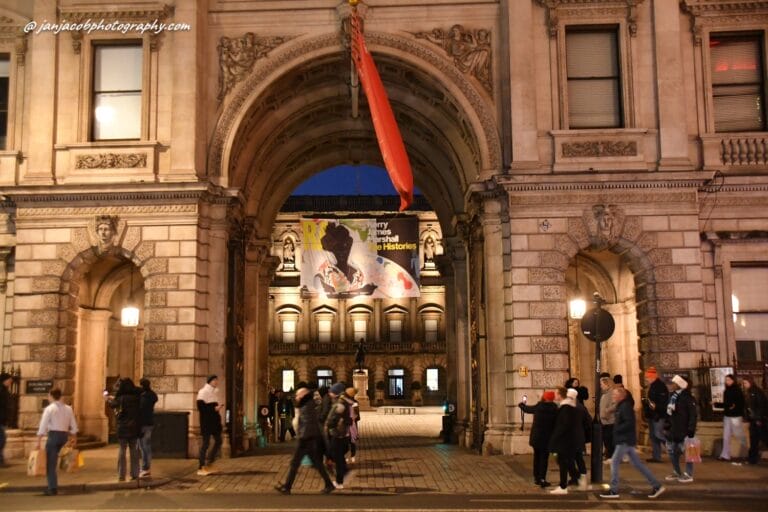
The annual London to Brighton Veteran Car Run begins at this beloved historic london attraction, drawing thousands of vintage automobile enthusiasts each November.
The annual event attracts thousands of spectators to Brighton, boosting the local economy and supporting brighton government jobs in tourism and event management.
Thousands of classic car enthusiasts visit London car run annually to witness vintage automobiles make their traditional journey to Brighton.
Before the historic rally begins, many participants and spectators explore london museums trafalgar square area to appreciate Britain’s automotive heritage displays.
Many participants begin their historic journey by studying in London Tower Bridge area before heading south towards Brighton in their vintage automobiles.