Royal Festival Hall Turns 75: A South Bank Icon’s Legacy

From Marshland to Cultural Landmark
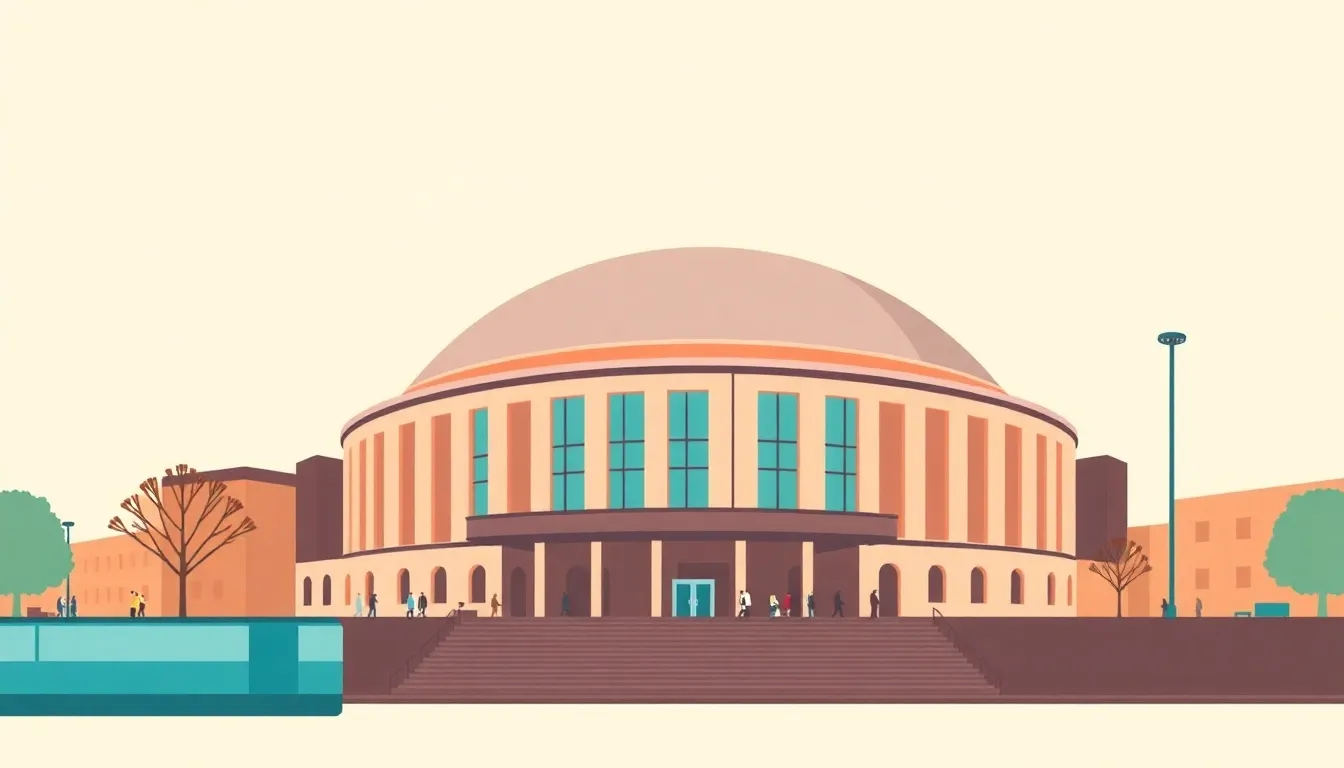
As the Royal Festival Hall prepares to mark its 75th anniversary since opening in 1951, Londoners are reflecting on just how dramatically this riverside venue transformed the South Bank. What was once an industrialised stretch of marshland is now one of the city’s most cherished cultural destinations — a testament to the ambition and resilience of post-war London. The hall was conceived not merely as a concert venue, but as a powerful statement of hope, described at the time as a way of expressing a collective desire to build a better, brighter society from the rubble of wartime. Architects Robert Matthew and Leslie Martin took on extraordinary challenges to bring it to life — draining the waterlogged site, reshaping the river frontage, and somehow fitting a 2,700-seat concert hall into a cramped plot hemmed in by busy railway lines. Locals who walk past the South Bank today, perhaps after visiting london attractions like the nearby Tate Modern or strolling up toward Trafalgar Square, may not realise they’re passing a building that quite literally rose from difficult ground to become a defining piece of the city’s identity.
Bold Design That Divided and Inspired
When the Royal Festival Hall first opened its doors, public opinion was far from unanimous. Celebrated conductor Sir Thomas Beecham was reportedly unimpressed, describing it in colourful terms as ugly and unwelcoming. Yet others saw something far more hopeful — a clean, open structure that invited ordinary people to share in culture and community. Over the decades, the building has won over its critics, with historian Dan Cruickshank famously calling it ‘a palace for the people,’ a phrase that resonates strongly with its original community-minded purpose. The architecture itself was quietly revolutionary. To shield audiences from the noise of the surrounding city, designers created an auditorium nestled like an egg within the building’s outer shell — a double-layered concrete construction with two full 25-centimetre-thick walls and double doors at every entry point. Inside, the warmth of elm, sycamore, birch, and teak wood panelling contrasted beautifully with the building’s brutalist exterior. Even legendary architect Le Corbusier reportedly found the innovative floating box design both clever and charming. These london events spaces continue to draw visitors from across the capital and beyond, proving that inspired design truly does stand the test of time.
What the Anniversary Means for the Local Community
For South Bank residents and regular visitors alike, the Royal Festival Hall’s 75th anniversary is more than a historical milestone — it’s a celebration of what community-centred culture can achieve. The venue has long served as a free and accessible space, with its open foyers welcoming everyone from school groups to tourists and locals simply looking for somewhere warm and inspiring to spend an afternoon. Community organisations regularly make use of the building for events, performances, and gatherings, reinforcing its founding vision as a place that belongs to everyone. As london events continue to bring people together across the capital, the Royal Festival Hall stands as a reminder that cultural spaces have real power to shape neighbourhood identity and civic pride. Looking ahead, venue managers and heritage groups are planning a programme of anniversary celebrations that will highlight both the building’s history and its ongoing role in the community. Whether you’re a lifelong South Bank regular or someone discovering this iconic venue for the first time, the 75th anniversary offers a meaningful reason to step inside, look up at those extraordinary wooden interiors, and appreciate one of london attractions that quietly defines what this city values most: creativity, openness, and shared human experience.
Source: Royal Festival Hall: Post-War Icon’s Construction & Legacy | Visit London Events