Palmers Green’s Hidden Tudor Gem: Broomfield House’s Fight for Survival

A Neighbourhood Jewel Few Know About
Nestled in Palmers Green—a corner of North London that somehow escapes the attention of most capital visitors—lies Broomfield House, a Grade II* listed Tudor estate that’s been standing for nearly 500 years. While famous landmarks like Big Ben and Buckingham Palace draw crowds from around the world, this architectural marvel remains largely forgotten by all but the most dedicated local history enthusiasts. Palmers Green itself is a charming neighbourhood with character to spare: a picturesque high street, the beautifully restored Hertford Loop railway station with its attached café The Yard, and historic pubs like The Fox that anchor community life. The neighbourhood gained unexpected fame when filmmakers chose Palmers Green’s high street as a filming location for Harry Potter and the Prisoner of Azkaban. Today, the surrounding Broomfield Park—once the house’s grand estate—offers 18th-century ponds, mature trees, a bandstand, and stunning views of Alexandra Palace. Yet the house itself, partially obscured by scaffolding and bearing scars from multiple fires, tells a story of decline that concerns local residents and heritage advocates alike.
From Leather Merchants to Community Centre: A Brief History
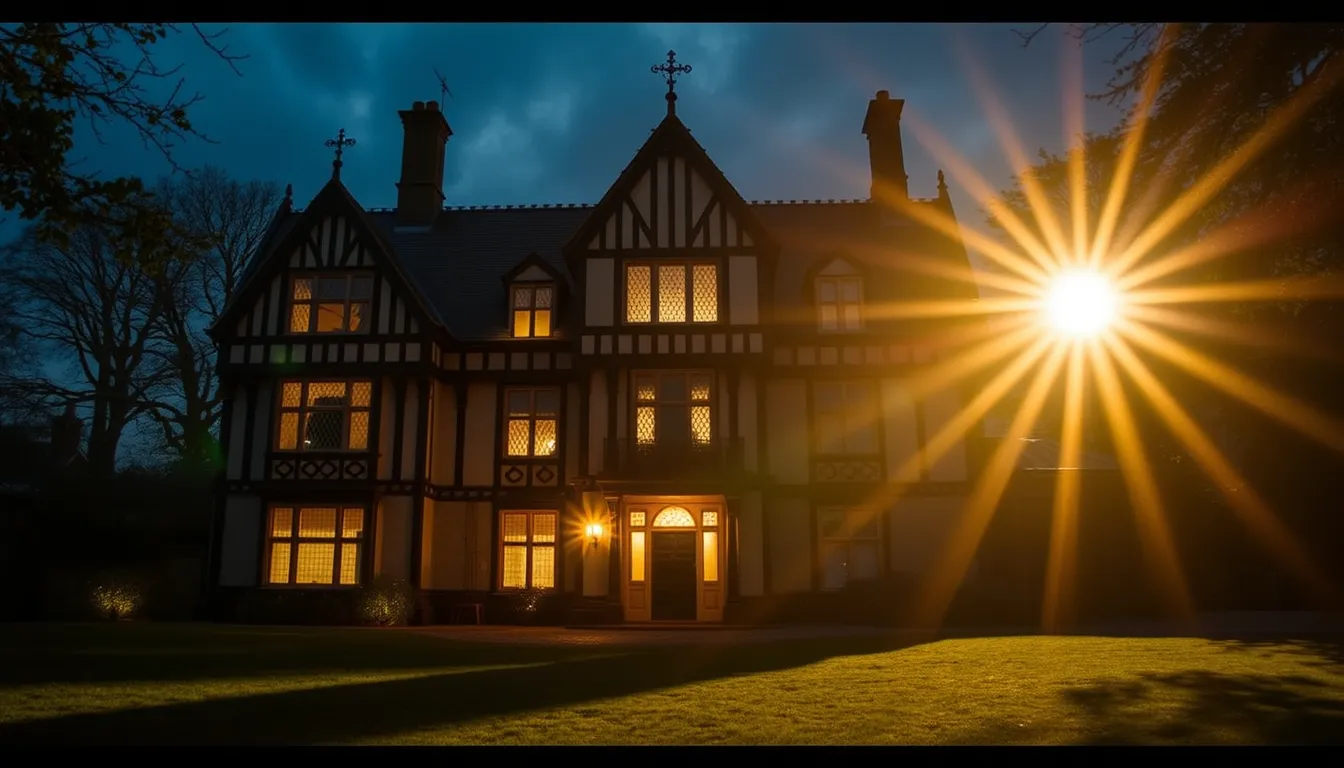
Broomfield House’s origins trace back to around 1550, when a leather merchant named John Bromfylde—or more likely, a merchant who took his name from the local ‘bromfield’ (a field of hay and grazing)—erected the timber-framed building that would become the neighbourhood’s most significant historical structure. Over subsequent centuries, successive owners expanded and enhanced the property, adding layers from different architectural periods. What we see today is a fascinating palimpsest: the original Tudor wooden frame, mock-Tudor façade added by Enfield Council in 1928-32, and various later modifications. This architectural complexity is precisely why Historic England afforded it Grade II* protection—recognition of its genuine historical and structural significance. For generations, Broomfield House served as more than just a private residence; it functioned as a focal point for community gathering and cultural life. The adjacent parkland, once the estate’s grounds, has been carefully maintained as public green space, becoming a cherished recreational area for Palmers Green families who walk among the same mature trees their ancestors knew.
Fire, Decay, and a Community’s Call to Action
Broomfield House has endured four catastrophic fires—in 1984, 1993, 1994, and most recently in 2019—each leaving the structure more vulnerable than before. The cumulative damage has left the building charred, crumbling, and wrapped in protective scaffolding, a stark contrast to its former grandeur. Local residents and heritage organisations worry that without decisive intervention, this irreplaceable piece of North London’s architectural identity could be lost entirely. Community groups including local history societies and Palmers Green resident associations have begun advocating for restoration efforts. The situation demands attention from Enfield Council, English Heritage, and potential heritage funding bodies. Residents can support preservation efforts by joining local heritage groups, attending public consultations about the building’s future, and documenting its history through photography and oral histories. The next crucial step involves securing funding and developing a comprehensive restoration plan. This isn’t merely about saving bricks and timber—it’s about preserving the narrative of a neighbourhood, maintaining architectural diversity, and honouring the generations who called Broomfield House home. North London deserves to know this story; Palmers Green deserves its landmark restored.