London’s Hidden Stone Secrets: Ancient Statues Reveal Centuries of History

A Roman Goddess Wears a Georgian King’s Crown
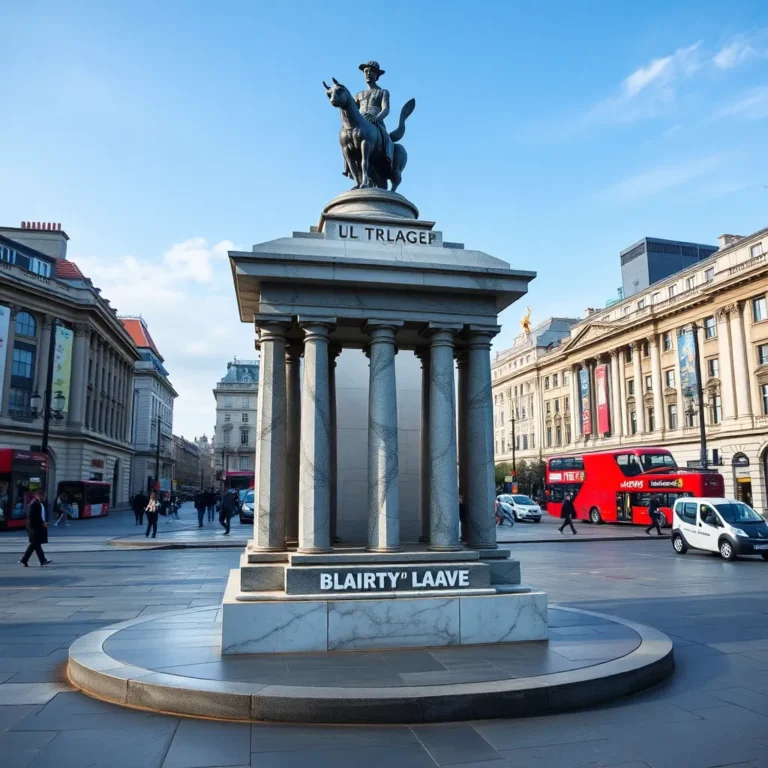
For generations, Southwark residents and history enthusiasts have walked past what they believed to be London’s oldest outdoor statue – King Alfred, standing serenely in Trinity Church Square. That assumption changed in 2021 when conservation experts from the Heritage of London Trust made an astonishing discovery during restoration work. The statue’s upper half, carved from Coade Stone in the 18th century, sits atop something far more ancient: the legs of a Roman goddess, likely Aphrodite. This remarkable fusion of eras means King Alfred holds a unique place in our city’s story – while not entirely ancient, the statue’s lower portions are genuinely Roman, making it London’s oldest *partial* freestanding figure. For local history buffs, this revelation transforms a familiar landmark into something far more profound. It’s a physical reminder that London is literally built upon layers of history, with each generation adding its own mark. The statue now represents not just individual monarchs or deities, but the continuous thread connecting us to Roman Britain, medieval London, and the Georgian era. For those exploring Southwark’s rich heritage, Trinity Church Square offers a tangible connection to this remarkable continuity.
Tudor Treasures and Mysterious Figures Along Fleet Street
If King Alfred’s lower half represents our Roman past, then where do we find London’s oldest *complete* outdoor statue? The answer lies along one of London’s most historically significant thoroughfares: Fleet Street. St Dunstan-in-the-West’s churchyard houses the likenesses of King Lud and his sons, alongside an effigy of Queen Elizabeth I – all created around 1586 when they graced the old Ludgate. For centuries, these Tudor-era figures have watched over Fleet Street’s transformation from a medieval gateway to a hub of journalism and commerce. These statues matter to residents because they anchor our collective memory. They’re not confined to museum displays or palace grounds; they’re accessible, free, and part of the everyday streetscape. Another intriguing candidate for London’s oldest complete statue is the enigmatic ‘melancholy man’ in Holland Park, whose origins remain beautifully mysterious. Experts typically focus on freestanding outdoor works rather than tomb monuments or museum pieces when determining historical precedence, which makes these Fleet Street guardians particularly significant. They represent a specific moment when Elizabethan London was asserting its identity, and their survival through centuries of urban change speaks volumes about our city’s commitment to preserving its heritage.
Your Guide to London’s Living History: What to See and Do
These ancient stone figures aren’t merely historical footnotes – they’re invitations to explore your own neighbourhood with fresh eyes. Whether you’re a lifelong resident or visitor discovering London for the first time, these oldest statues offer free, accessible pathways through centuries of stories. Start your journey at St Dunstan-in-the-West on Fleet Street, where King Lud’s presence connects you directly to Tudor London. Then venture to Southwark’s Trinity Church Square to contemplate King Alfred’s remarkable Roman roots. For those seeking quieter reflection, Holland Park’s mysterious melancholy man awaits in peaceful surroundings. These locations matter because they democratise history – you don’t need expensive tickets or guided tours to connect with London’s past. The statues stand freely in public spaces, available year-round to anyone curious enough to seek them out. As the city continues hosting major london events and welcoming visitors to iconic landmarks like Tower Bridge and Trafalgar Square, these older, quieter monuments offer something equally precious: intimate encounters with genuine history. Local heritage organisations continue uncovering new details about these figures, so keep watching for upcoming exhibitions or restoration projects. By exploring these ancient statues, you’re not just sightseeing – you’re participating in London’s ongoing conversation with its past.
Source: London’s Oldest Statues: A Roman Twist and Tudor Tales Uncovered