London’s Hidden Ghost Signs: Stories Painted Into Our Streets

Faded Memories: What Ghost Signs Tell Us About London’s Past
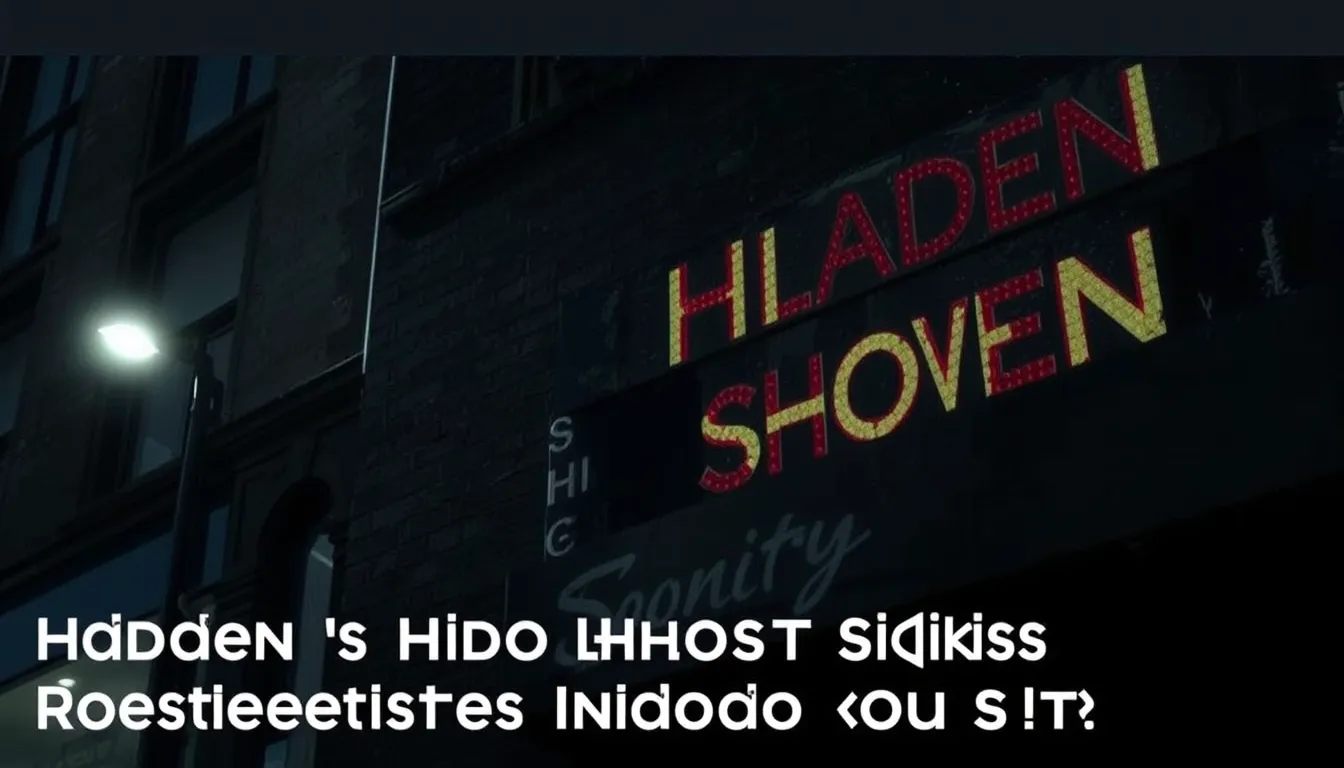
Walk down any London street and you might spot them—faded painted advertisements clinging to building walls, their colours weathered by decades of rain and sunshine. These ‘ghost signs’, as locals and historians call them, are far more than aesthetic curiosities. They’re historical documents that map how our capital’s neighbourhoods have transformed over the past century. From Soho’s vibrant early-20th-century French hospitality trade to Battersea’s industrial heritage, these painted remnants reveal which businesses thrived here, what products mattered to our communities, and how consumer culture has evolved. Local historians Sam Roberts and Roy Reed have documented dozens of these signs, uncovering stories of forgotten companies, entrepreneurial ventures, and the everyday lives of Londoners. What makes these signs particularly valuable to residents is that they’re disappearing. As buildings get refurbished and storefronts modernised, these painted records vanish. Several neighbourhoods have recognised their cultural importance, with Wandsworth Council even locally listing some signs after community nominations, setting a precedent for preservation across the capital.
From Soho to Battersea: Neighbourhood Stories Written on Walls
The ghost signs scattered across our city tell deeply personal stories about individual communities. In Soho, a faded J.S. Foster & Co. sign on Tisbury Court near Rupert Street originally catered to French hospitality workers who dominated the area’s restaurants and hotels in the 1910s-1920s. The bilingual text—English and French—speaks directly to that vanished community. Moving south to Battersea, the Peterkin’s sign at St John’s Hill and Sangora Road advertised custard made at the nearby mills, briefly owned by Joseph Arthur Rank before his family’s film empire fame. These weren’t random products; they were integral to local life and employment. Similarly, the Nestlé signage on Killyon Road documents an earlier era of the brand’s marketing, before the controversial practices that emerged decades later. Even the Boots sign on Camden High Street tells a story of pharmaceutical accessibility—when the chain was expanding to bring affordable health products to every neighbourhood. For residents today, these signs offer tangible connections to the people who lived and worked here before us, making our streets feel less like anonymous commercial zones and more like places with genuine history.
What Residents Should Know: Protecting Our Painted Heritage
If you’ve noticed these ghost signs around your neighbourhood, here’s what you should know about their significance and how you can help preserve them. First, these painted advertisements are increasingly recognised as important cultural artefacts worthy of protection. Wandsworth Council’s decision to locally list the Peterkin’s sign demonstrates that community advocacy works—residents and historical societies can nominate signs for official recognition, which helps prevent demolition during redevelopment. If you spot a ghost sign in your area that you believe has historical value, document it with photographs and research the business it advertised. Local historical societies, libraries, and council heritage teams welcome this information. You can also support preservation by raising awareness—social media has become a powerful tool for highlighting these signs before they disappear. Second, understand that ghost signs matter to our sense of place. They distinguish neighbourhoods and provide visual continuity with our past. As London continues to evolve with new development, particularly around major landmarks like Trafalgar Square and beyond, maintaining these historical touchstones keeps our communities grounded. Consider contacting your local councillor or heritage officer if you know of signs under threat. Community action has already saved several across the capital, proving that ordinary residents can protect these extraordinary pieces of our shared history.