Fitzrovia’s Hidden Gem: The Turbulent History Behind Whitfield Gardens

From Cursed Wetland to Urban Sanctuary
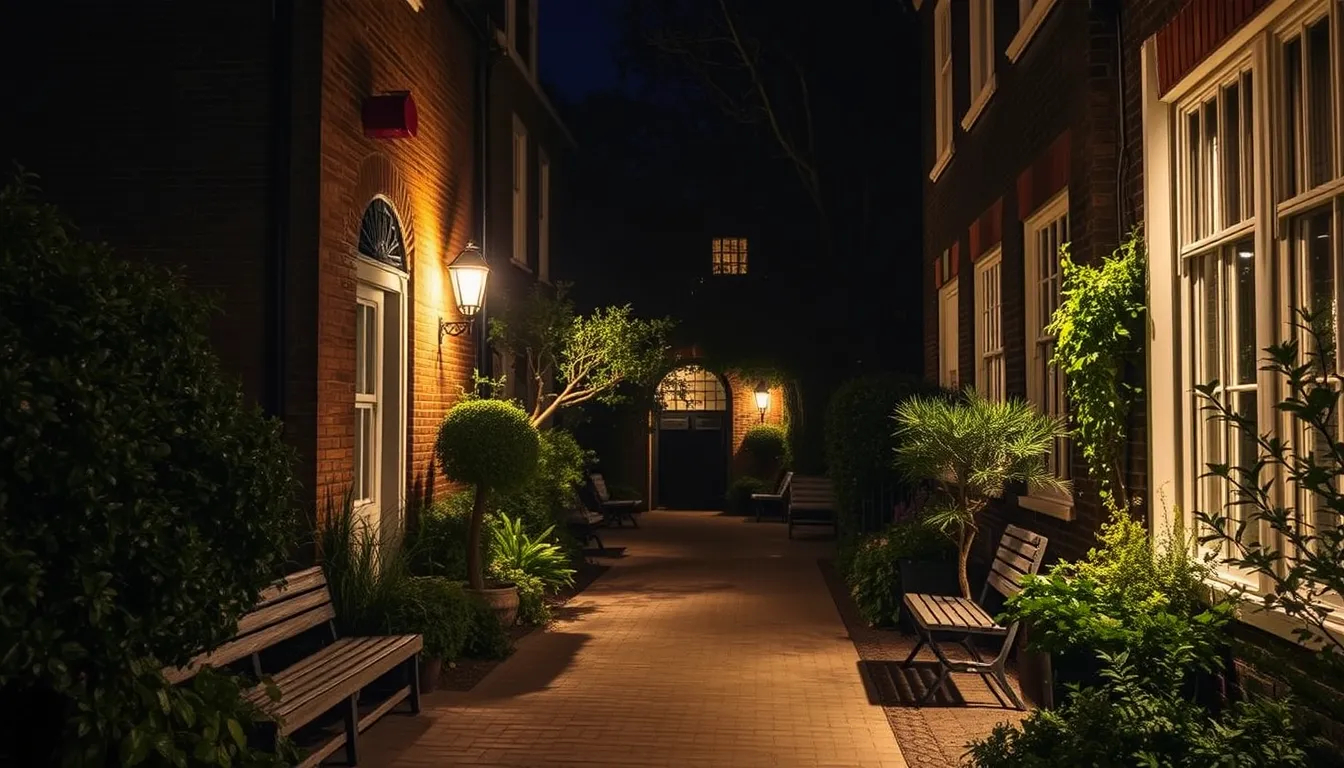
Walking along Tottenham Court Road in Fitzrovia, most people pass through Whitfield Gardens without realising they’re treading on one of the neighbourhood’s most historically significant sites. This modest paved plaza, just a stone’s throw from Goodge Street station, occupies land that was once feared and avoided by developers throughout the 18th century. Before George Whitfield claimed the lease in 1756 to construct his third tabernacle, the location was dominated by a stagnant pond locals grimly nicknamed the ‘little sea.’ This body of water had earned its ominous reputation through a series of tragic drownings spanning decades, making it a place most Londoners preferred to forget. The ambitious preacher saw opportunity where others saw calamity. In a move that demonstrated both practical ingenuity and spiritual conviction, Whitfield drained the hazardous pond and imported consecrated soil from the City of London to purify the ground. His actions transformed a neighbourhood eyesore into what would become an essential gathering place for the community. Today’s residents benefit from his bold vision, enjoying one of the few green breathing spaces in this densely built urban district.
The Lightning Strike That Captivated London
On a fateful March day in 1772, an incident at Whitfield’s Chapel captured the attention of not just local parishioners but the scientific minds of Georgian London. During a service, a master tailor named Bartholomew Goodson was struck by lightning—an event so extraordinary that members of the Royal Society travelled to investigate. Their findings revealed that the bolt had been attracted to a decorative pineapple-shaped finial crowning the chapel roof before following the metal fixture down into the unfortunate man’s path. Goodson was laid to rest in the adjacent churchyard, and his grave remained for centuries as a tangible reminder of that peculiar tragedy. This incident exemplifies how Fitzrovia, despite its proximity to famous London landmarks like Trafalgar Square and the bustling West End, maintained its own distinct character and historical significance. Local residents and heritage enthusiasts have long recognised that authentic London history isn’t confined to guidebook destinations—it lives in these neighbourhood stories. The incident also represents a pivotal moment when scientific inquiry and community memory intersected, placing our small corner of the city at the intersection of Enlightenment-era curiosity and human drama.
What Fitzrovia Residents Should Know Today
For those living and working in Fitzrovia, Whitfield Gardens represents far more than convenient seating during a lunch break. This evolving space embodies how neighbourhoods can reclaim and reimagine troubled histories into places of community value. Local preservation advocates continue pushing for recognition of sites like this, emphasising that understanding our immediate surroundings enriches our sense of belonging. The gardens stand as evidence that London’s most compelling stories aren’t always found at Buckingham Palace or other tourist-dominated venues—they’re embedded in the everyday spaces where neighbours gather. Community groups in Fitzrovia have been instrumental in documenting and sharing these historical narratives, ensuring younger residents appreciate the layered complexity of their neighbourhood. If you’re exploring local attractions or introducing visitors to authentic London experiences, Whitfield Gardens offers a refreshing alternative to conventional sightseeing. Moving forward, residents should support local heritage initiatives and advocate for interpretive signage that explains the site’s transformation. The next time you pause in these gardens, consider the centuries of adaptation, tragedy, and renewal that led to this moment—a powerful reminder that every corner of our city holds stories worth preserving and sharing.
Source: The Surprising History of Fitzrovia’s Whitfield Gardens