Borough’s Blue Men: The Hidden Art Installation Locals Love

Three Blue Figures Tell a Story Above Borough High Street
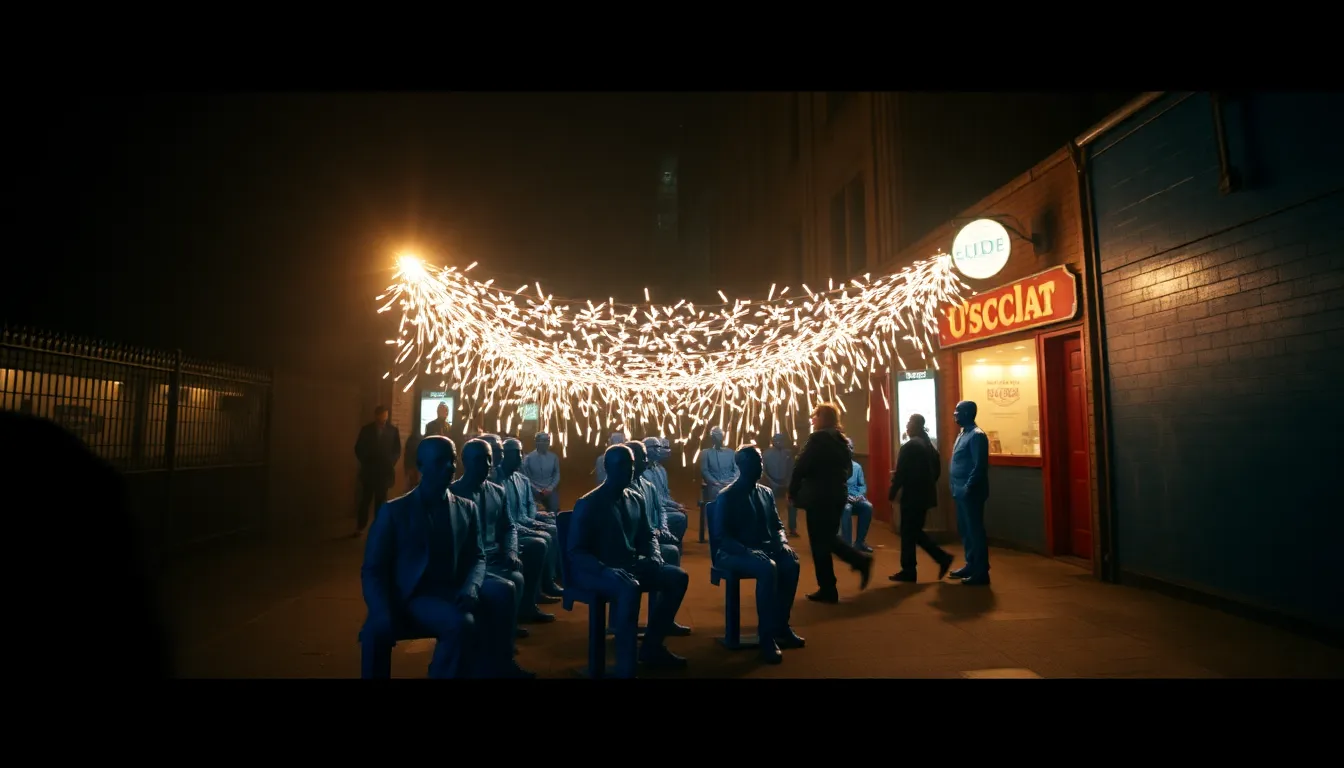
If you’ve walked down Borough High Street recently and spotted three vivid blue figures scaling the side of Maya House, you’ve encountered one of South London’s most intriguing public artworks. Created by Israeli artist Ofra Zimbalista and installed in March 2007, these life-sized fibreglass sculptures—each clutching a musical instrument—are part of a piece titled ‘Walls and Trumpets’. The artist’s distinctive use of blue and her technique of casting from live models gives the work an uncanny, almost magical quality that stops pedestrians in their tracks. For nearly two decades, these figures have defied the drab concrete aesthetics of the 1970s-era building they adorn, proving that sometimes the most memorable art appears in the places you least expect it. Whether you’re a regular commuter or a visitor exploring London’s diverse neighbourhoods, the Blue Men serve as a reminder that artistic surprises can emerge anywhere—even above a busy South London street just a stone’s throw from iconic london attractions like Tower Bridge and Trafalgar Square.
How a Single Installation United the Community
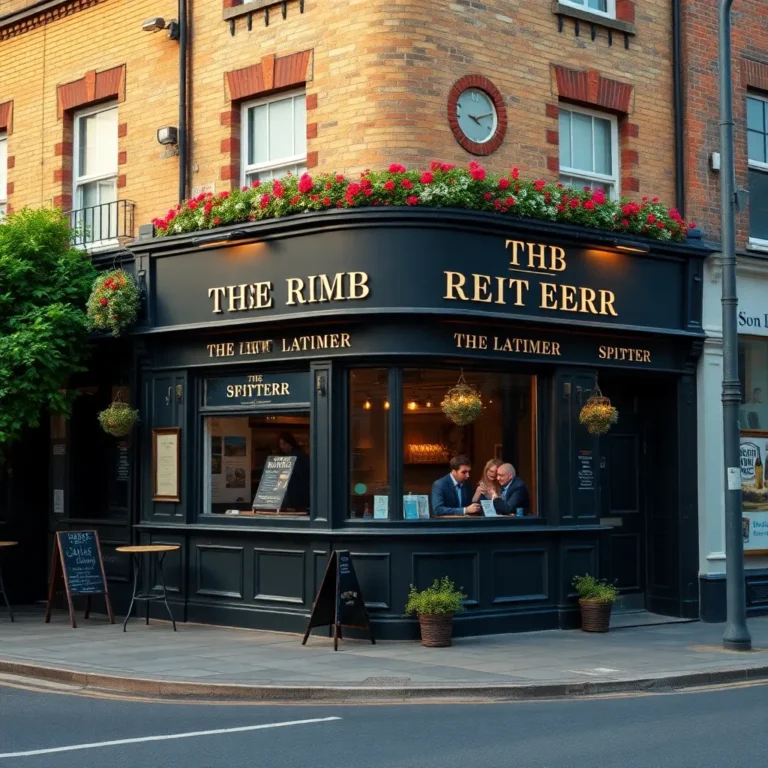
What makes the Blue Men special isn’t just their aesthetic appeal—it’s how they’ve fostered genuine community connection. The nearby Blue Maid pub, with its distinctive blue exterior, has become the natural gathering point where locals and visitors pause to discuss these enigmatic sculptures. Regulars debate their meaning, newcomers ask questions, and conversations spark about art’s role in everyday life. This organic interaction demonstrates something crucial about public art: when executed thoughtfully, it becomes a conversation starter and meeting point for neighbours who might otherwise pass without acknowledgement. For the Borough community, the sculptures represent a point of pride—evidence that their neighbourhood values creativity and character. Local business owners have noticed increased foot traffic, drawn partly by curiosity about these unusual figures. The Blue Men have essentially become an unofficial welcome sign, helping define Borough’s identity as a place where history, commerce, and unexpected artistic expression coexist. Whether you’re grabbing a pint at the Blue Maid or simply passing through, the installation reminds us that community vitality comes from surprising places.
What This Means for London’s Future as a Cultural Destination
The Blue Men exemplify a broader shift in how cities approach public spaces and london events. Rather than relegating art to galleries and museums, Zimbalista’s installation proves that streets themselves can become outdoor galleries, enriching daily life for everyone who passes through. This approach has inspired conversations among urban planners and local leaders about how to support more public art initiatives. For residents navigating Borough and beyond, the takeaway is clear: look up. Some of London’s most compelling artistic moments happen above eye level, often in neighbourhoods far from central attractions. The sculptures also highlight the economic benefits of creative placemaking—increased visitors mean more customers for local businesses, from pubs to independent shops. As Borough continues evolving, the question becomes: what other hidden artistic treasures exist in your neighbourhood? The Blue Men encourage that curiosity. If you haven’t yet made the journey to see them, add this corner of Borough High Street to your London itinerary. It’s a perfect example of how a single artistic decision, made over fifteen years ago, continues enriching community life and proving that transformation doesn’t require demolition—sometimes it just requires looking up.
Source: Discover the Blue Men of Borough High Street: Local Art Unveiled