AI Reveals Christopher Wren’s Grand Vision for Post-Fire London

The London That Nearly Was: Wren’s Ambitious Masterplan
Before the Great Fire of 1666, London was a maze of cramped, filthy streets with only scattered pockets of grandeur like Inigo Jones’ Covent Garden. When the flames cleared, the city had an unprecedented opportunity: a blank canvas to reimagine itself. Enter Sir Christopher Wren, whose visionary designs proposed something radically different—grand Continental-style boulevards, elegant piazzas, and manicured public spaces that would transform the capital into a city of “pomp and regularity.”
King Charles II was captivated by Wren’s ambitious blueprints. Yet despite royal enthusiasm, the scheme faced insurmountable obstacles. Powerful landowners resisted losing their properties, finances proved inadequate, and London’s merchants were desperate to rebuild and resume business. While fragments of Wren’s master plan came to fruition—most notably St Paul’s Cathedral, visible across the capital from Trafalgar Square—the majority remained trapped on paper, tantalising future generations with visions of a London that might have been. Today, those dreams have been resurrected in digital form, allowing residents and visitors alike to wonder what our city could have become under Wren’s pen.
How AI Has Reconstructed Wren’s Hidden London
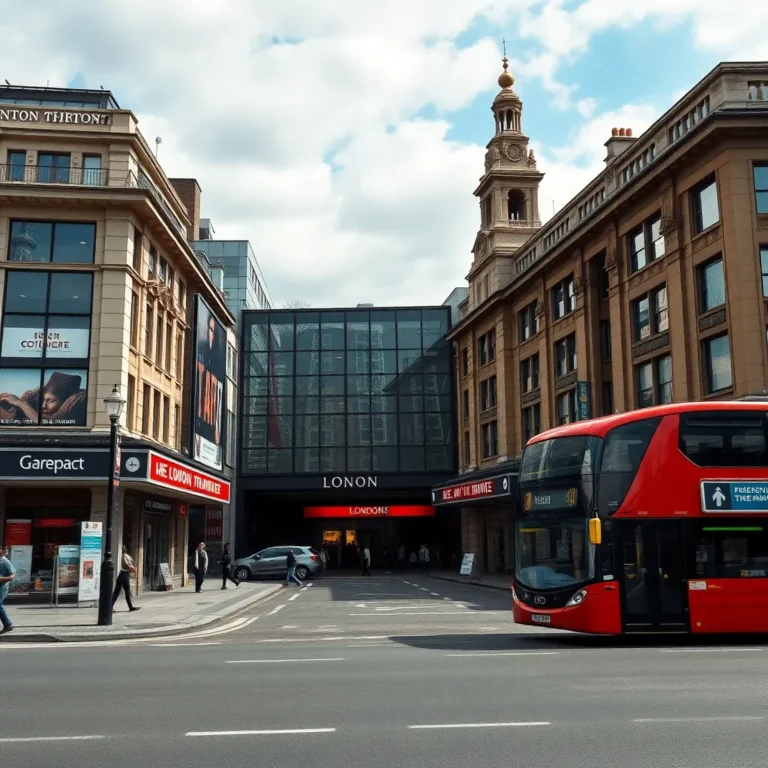
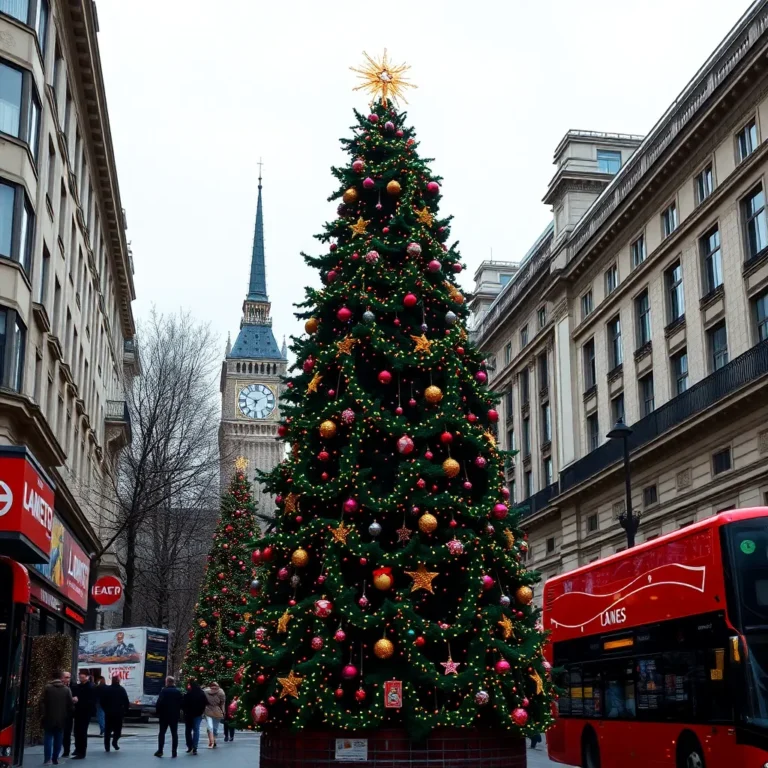
Daniel Coughlin, a London-based writer and researcher, has undertaken a remarkable digital archaeology project, combining archival drawings, historical engravings, period maps, and contemporary photographs to recreate Wren’s unrealised London through cutting-edge artificial intelligence. The resulting photorealistic video reveals what might have been: a radically different cityscape overlaid with modern elements like contemporary skyscrapers and red buses, helping viewers understand how dramatically London might have developed.
The visualisations showcase some particularly striking features. Imagine the Monument—the famous 202-foot column actually designed by Wren and Hooke, currently tucked away on Fish Street Hill—as the centrepiece of radiating grand avenues spreading like sunbeams across the city. Picture a baroque Royal Exchange framed by its own Rome-inspired piazza, offering the ceremonial grandeur such an important institution deserves. The most romantic vision? Wren’s cleaned-up Fleet River, transformed from a fetid sewer into a majestic canal lined with bridges, extending northwest toward St Paul’s Cathedral. Instead of these triumphs, we got Fleet Street, culverted waterways, and sprawling urban complexity. The video invites Londoners to contemplate these parallel possibilities and imagine how differently our beloved capital might have developed under Wren’s comprehensive vision.
What This Means for Londoners Today: Heritage, Planning, and Civic Pride
For residents across London’s neighbourhoods—from Soho to the Square Mile—this AI reconstruction offers more than nostalgic curiosity. It prompts important conversations about urban planning, architectural ambition, and how cities shape themselves. Coughlin’s project demonstrates how historical knowledge and emerging technology can combine to challenge our assumptions about inevitable progress and remind us that urban development involves countless choices, not destiny.
Local history societies, museum groups, and heritage organisations across Greater London now have powerful new tools for education and engagement. The visualisation has already sparked discussions in communities about what we value in our streets: the organic, layered complexity we actually inherited, or the rational, monumental order Wren envisioned? Residents interested in London’s development should keep an eye on similar projects exploring our city’s alternative histories. Meanwhile, those passionate about heritage can engage with local conservation groups working to preserve what remains of Wren’s era and understand the intricate compromises that shaped our actual city. The video reminds us that every street corner reflects decisions made centuries ago—and that understanding those choices helps us make wiser ones for London’s future development.