How Londoners Survived the Historic Heatwave of May 1922

The Sudden Shock of the 1922 Spring Heatwave
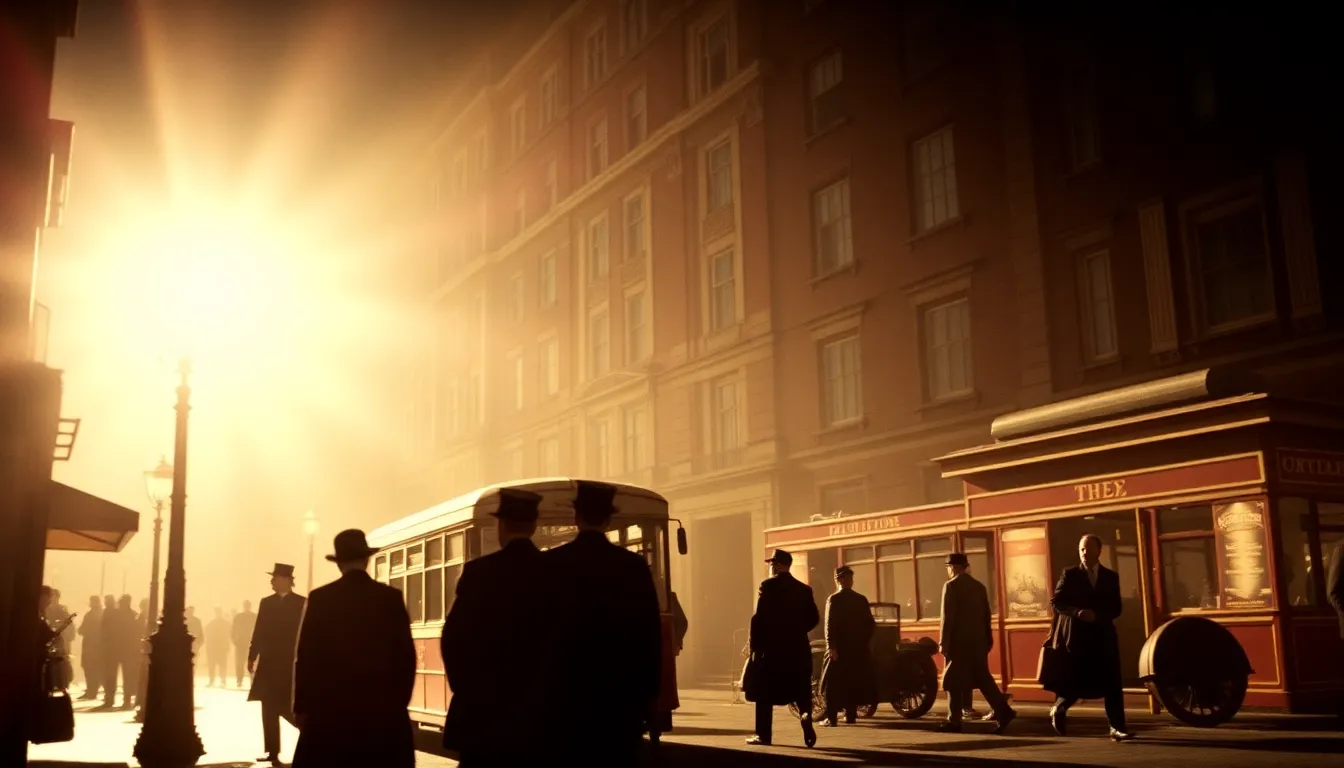
In May 1922, Londoners experienced an unprecedented spring heatwave that pushed temperatures to a record-breaking 32.8°C. This extreme weather caught the city entirely unprepared, especially since residents had just endured the coldest March in four decades. Without modern air conditioning or refrigeration, coping with the sweltering conditions became a major challenge for local communities. Shopkeepers struggled to meet the sudden demand for lightweight clothing, as drapers noted that customers only sought summer wear once the heat had already arrived. Even the food industry felt the strain; fresh salad greens became incredibly scarce, ice was hard to come by, and local cafes struggled to supply enough ice cream to cool down desperate patrons. Some resorted to buying Lyons Ice Bricks, a novel frozen treat designed to resist melting for up to two hours. To make matters worse, anyone hoping to find relief at one of the city’s most famous london attractions, Trafalgar Square, was left disappointed. The iconic fountains had been dry since the war, leaving the public square baking in the relentless sun without its usual cooling spray.
Office Dress Codes and Tube Transit Struggles
Navigating daily life in the city became an exercise in endurance. For those commuting to work, the London Underground offered an unexpected sanctuary. To combat the stifling conditions below ground, transport authorities installed massive electric fans that pumped one million cubic feet of fresh air through the tunnels every minute, leading some local newspapers to declare the Tube stations the coolest places in the capital. Once at their desks, workers faced strict dress codes that slowly began to crumble under the heat. Office managers reluctantly allowed male clerks to work in their shirt sleeves, a shocking departure from the formal etiquette of the era. Meanwhile, some military guards marching through the city abandoned their heavy trousers entirely in favour of khaki shorts. The heatwave also disrupted the city’s vibrant cultural scene, which usually hosted popular london events. Stuffier Victorian theatres in the West End were forced to cancel performances as indoor temperatures became unbearable for audiences and actors alike. From crowded offices to darkened stages, the heatwave ground much of London’s daily commerce to a temporary halt.
Seeking Relief and the Stormy Aftermath
Desperate for relief, many Londoners turned to the River Thames for a refreshing dip, though this led to tragedy when a teenager drowned near the Tate. Others sought comfort in local public houses, though the combination of alcohol and soaring temperatures occasionally boiled over into rowdy behaviour. In Kilburn, local youths found themselves in court after a heated altercation with police, later blaming their outbursts on being excited by the weather. Despite the complaints, many residents tried to maintain perspective, acknowledging that a hot sunny day was still preferable to the thick winter fogs and sleet storms they so often endured. Relief finally arrived on May 25, when a dramatic thunderstorm swept across the capital. While the rain cooled the city, the storm brought its own chaos, with a lightning bolt striking and severely damaging the belfry of Kentish Town Parish Church. This historic weather event highlights how London’s community spirit and infrastructure have always been tested by extreme climate shifts, serving as a fascinating chapter in the history of how we adapt to seasonal challenges.