Charing Cross: Unearthing the Secrets of London’s Central Hub

The Heart of London & Its Namesake
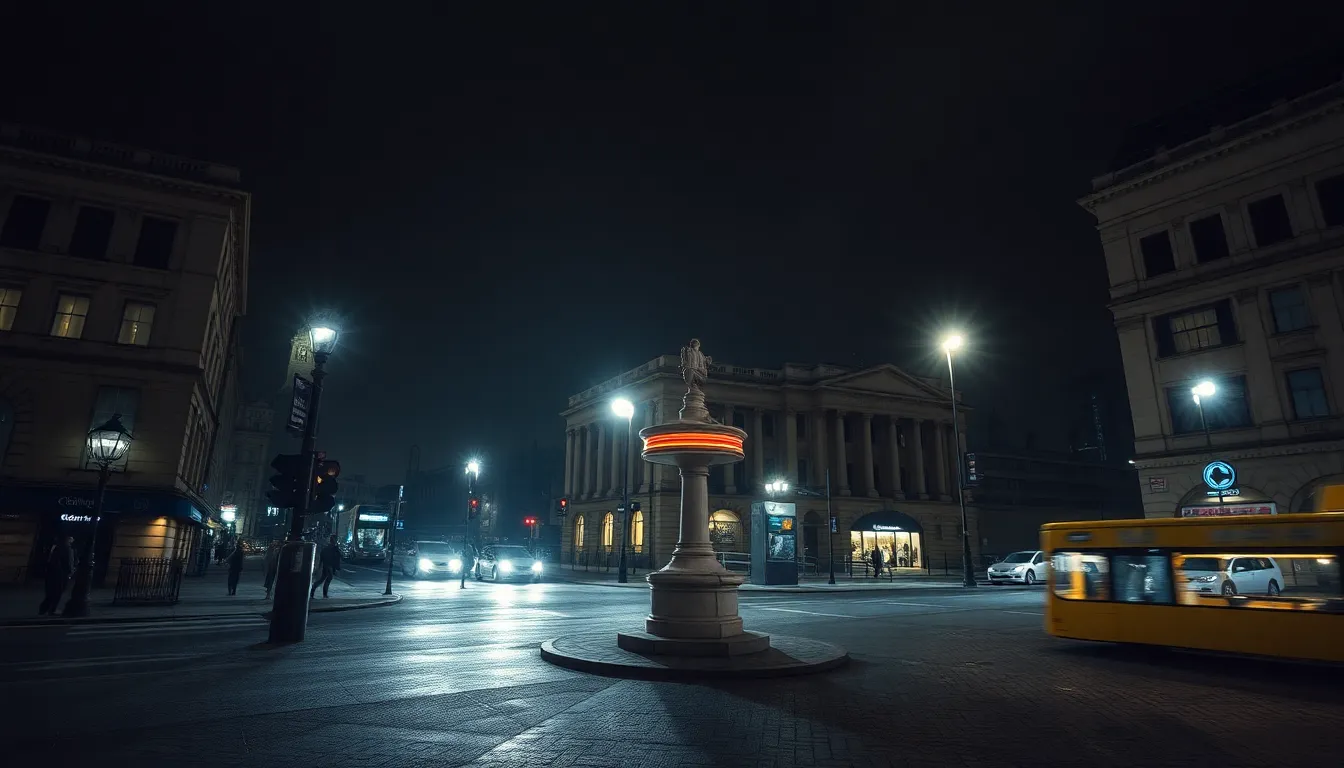
Charing Cross Station, often considered the heart of London, stands just a stone’s throw from the bustling Trafalgar Square, a hub for both locals and visitors exploring london attractions. But beyond its role as a vital transport link, this iconic station holds a rich tapestry of history, some of which explains its very name. “Charing” derives from the Old English ‘cierring,’ meaning ‘turning,’ a nod to the distinctive bend in the River Thames that flows nearby. The “Cross” refers to the final Eleanor Cross, a series of poignant monuments erected in memory of Queen Eleanor of Castile. While the original medieval crosses are long gone, a striking Victorian replica stands proudly within the station’s taxi rank, a daily reminder of London’s deep past for commuters and tourists alike. This junction isn’t just a station; it’s the very point from which all distances to London are officially measured, cementing its status as the city’s geographical and historical core. Its central location also makes it a key gateway for countless london events, drawing people from all corners.
Hidden Histories and Resilience
Beyond its historical name, Charing Cross reveals more fascinating secrets. Step outside onto the Strand, and you might notice a solitary, mature tree standing resiliently amidst the urban landscape. This isn’t just any tree; it’s a living memorial to the Great Storm of October 1987, a devastating weather event that toppled a quarter of a million trees across London. The Evening Standard newspaper launched an appeal to replant trees, and this particular specimen stands as a testament to community spirit and London’s enduring ability to rebuild. Architectural excellence also runs deep here; the grand Charing Cross Hotel, a Grade II listed building, was designed by E.M. Barry, whose father, Sir Charles Barry, rebuilt the Houses of Parliament. The station also holds a unique royal connection, with the Royal Family’s train being the very first to use its tracks in December 1863, travelling from Windsor to Dover, weeks before public services began, making it a truly historic London attraction.
Presidential Visits and Enduring Legacy
Charing Cross has also played host to global leaders, with a plaque commemorating the visit of a serving US President. Woodrow Wilson arrived at the station on Boxing Day in 1918, met by King George V, before being whisked away to Buckingham Palace. Journalists noted the station’s remarkable transformation for the occasion – meticulously swept and washed, every grimy detail removed, showcasing London’s pride in welcoming such a dignitary. However, the station’s history isn’t without its challenges; a tragic roof collapse during maintenance in December 1905 killed six people and closed the station for three months. This somber event led to crucial safety reassessments, even scrapping similar roof designs for Cannon Street station. And for those navigating today’s transport network, it’s worth knowing that the Tube station we now call Embankment was originally Charing Cross, while the present Charing Cross Tube station was once known as Trafalgar Square station – a testament to the city’s constant evolution and the ongoing legacy of London events shaped by its vital transport hubs.