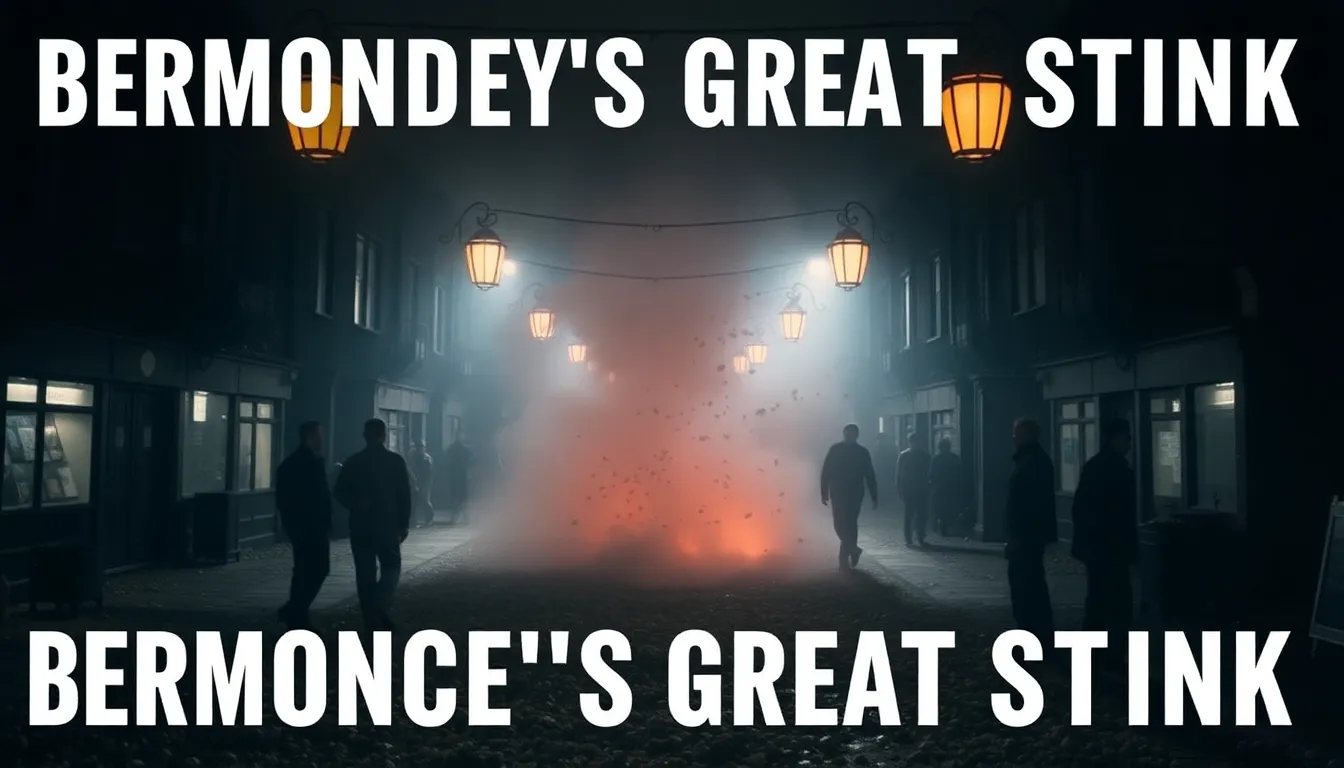
Bermondsey’s Great Stink: When Rotten Eggs Overwhelmed London

The Great Bermondsey Stink of 1915
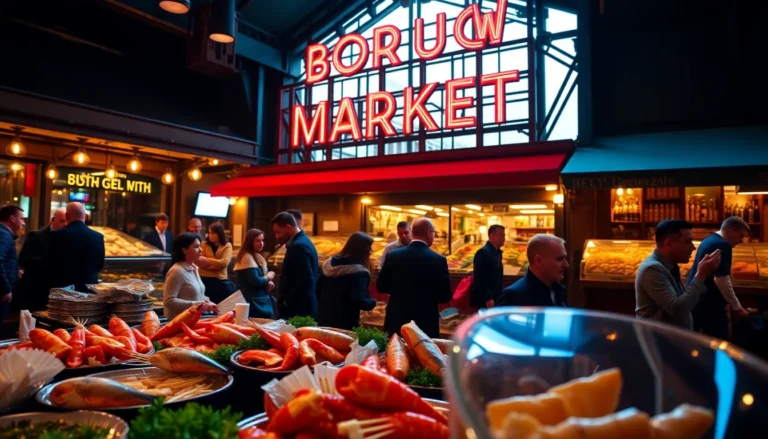
Bermondsey, an area historically rich in industry and situated just south and south-east of the iconic Tower Bridge, has a past that was, shall we say, rather pungent. While today it’s known for its vibrant street art, trendy eateries, and bustling Borough Market, a century ago, the air told a very different story. Residents often navigated their neighbourhood by smell alone, with aromas ranging from tanneries scraping hides and the sharp tang of Sarson’s vinegar factory to the more pleasant whiffs from biscuit and jam factories. This complex olfactory landscape was a defining characteristic. However, in the spring of 1915, an entirely new and overwhelming odour descended upon the streets: the noxious stench of millions of rotten eggs. This powerful aroma was so intense it forced locals to seal their windows, drove visitors away from the district, and severely threatened the survival of many small businesses, making daily life incredibly challenging and unpleasant for the community.
War, Shipping, and Millions of Eggs
The source of this overwhelming smell was a direct and unfortunate consequence of the First World War. Bermondsey had established itself as a vital hub for imported eggs from across Europe and beyond, with numerous importers lining Tooley Street. While an efficient supply chain usually kept spoilage to a minimum in peacetime, the unprecedented disruption to global shipping routes caused by the war meant journeys took far longer and were less predictable. Consequently, eggs that were once robust enough to travel were now arriving in enormous quantities, utterly unsaleable. Estimates from the time suggest a staggering 25 million rotten eggs accumulated in Bermondsey within the first eight months of the conflict alone. This wasn't merely an unpleasant odour; it quickly escalated into a significant public health issue that the local council, as the statutory sanitary authority under the Public Health Act, was duty-bound to address, requiring immediate and large-scale intervention.
A Community Tackles the Odour
Faced with such an enormous and malodorous problem that literally threatened to knock a dog down, the Bermondsey council had to act decisively and creatively. Their existing waste disposal facilities were simply not equipped to handle the sheer volume and peculiar, muculent consistency of millions of decaying eggs. Therefore, a specialised egg-smashing depot was quickly constructed on a Thames wharf near Chambers Street, a substantial undertaking for the time. Here, dedicated – and no doubt long-suffering – labourers undertook the unenviable daily task of crushing tens of thousands of putrid eggs. This historical episode offers a fascinating glimpse into the resilience of local communities facing unique challenges, and how they adapted to maintain public health and local life. Today, as visitors flock to various london attractions and experience numerous london events throughout the year, the modern Bermondsey stands as a vibrant testament to how far urban environments have transformed, leaving behind the powerful, distinctive smells of its industrial past for a bustling and fragrant present.