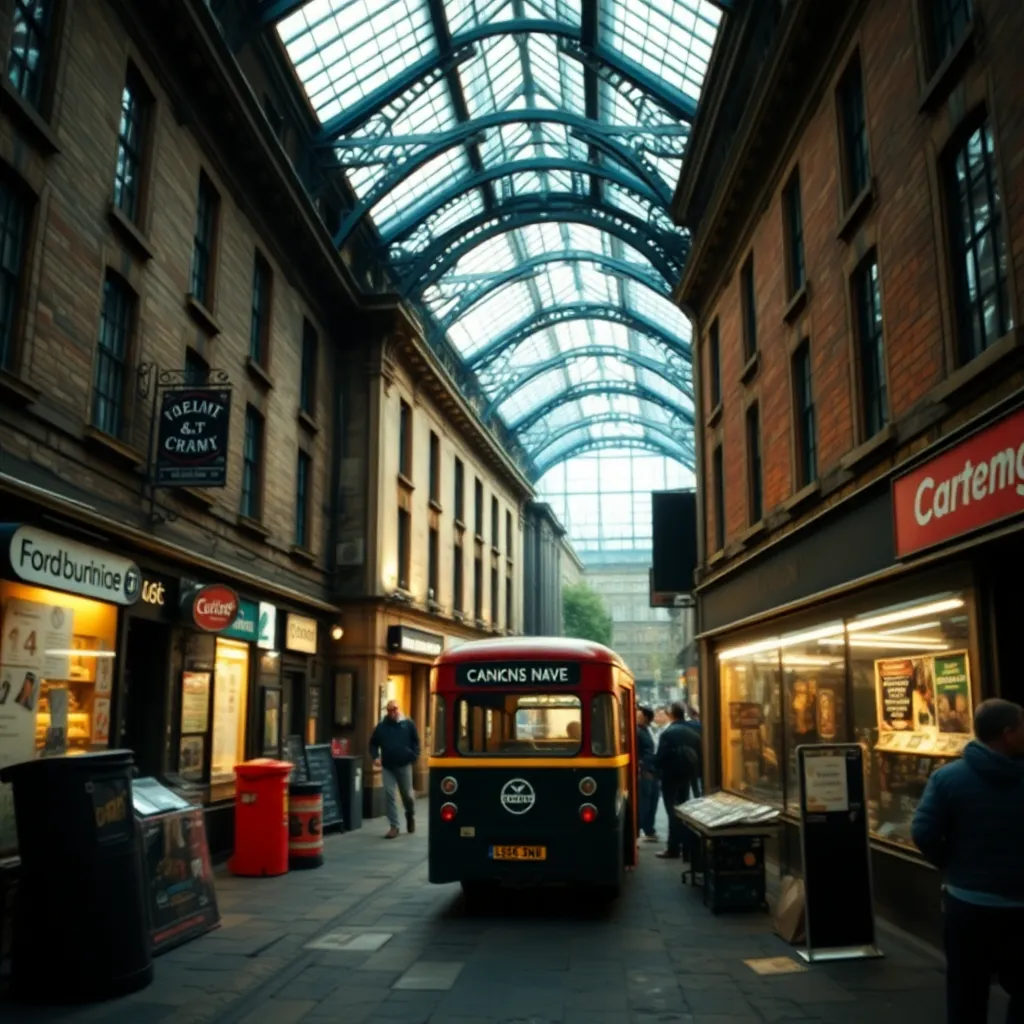
Barbican’s Hidden History: Unearthing London’s Ancient Secrets

Forget the brutalist architecture! London’s Barbican estate holds surprising historical secrets, a fascinating blend of ancient and modern. This hidden history includes St. Giles-without-Cripplegate church, a survivor of the Blitz, where Oliver Cromwell married and John Milton rests. Its stained-glass window even features a cheeky anachronism – a modern skyscraper rising behind the old Cripplegate! But the real adventure lies in the remnants of Roman and medieval walls, a ditch from Cripplegate Fort, and even seven mysterious sarcophagi tucked away. Further exploration reveals the unique St. Alphage wall with crenellations from the Wars of the Roses, and the tower of St. Alphage church. A gold-refiner’s frieze, salvaged from a pre-Barbican building, and a piece of the Mendelssohn tree (where he may have composed parts of A Midsummer Night’s Dream) add to the intriguing mix. This hidden history is threatened by redevelopment, so explore now before these secrets are lost forever! This hidden Narnia-like world of ancient London is waiting to be discovered, offering a unique blend of history and urban exploration.
Today’s Barbican London attraction sits atop centuries of fascinating archaeological discoveries that reveal the area’s remarkable transformation from Roman settlement to modern cultural hub.
Today’s government jobs barbican postings often attract historians and archaeologists eager to uncover more secrets from this historically rich London district.
When you visit london barbican today, you’re walking through layers of Roman history that span nearly two millennia of continuous habitation.
While exploring the Barbican’s ancient foundations, visitors can also discover fascinating artifacts displayed in nearby barbican london museums that showcase the area’s rich archaeological heritage.
Students studying in london barbican today walk unknowingly over centuries of buried Roman walls and medieval foundations that shaped this historic district.
(Source: https://londonist.com/london/history/reflections-on-the-barbican)