London Transport 2027: Pedestrian Streets, New DLR Trains and More

Car-Free Streets Spread Across the Capital
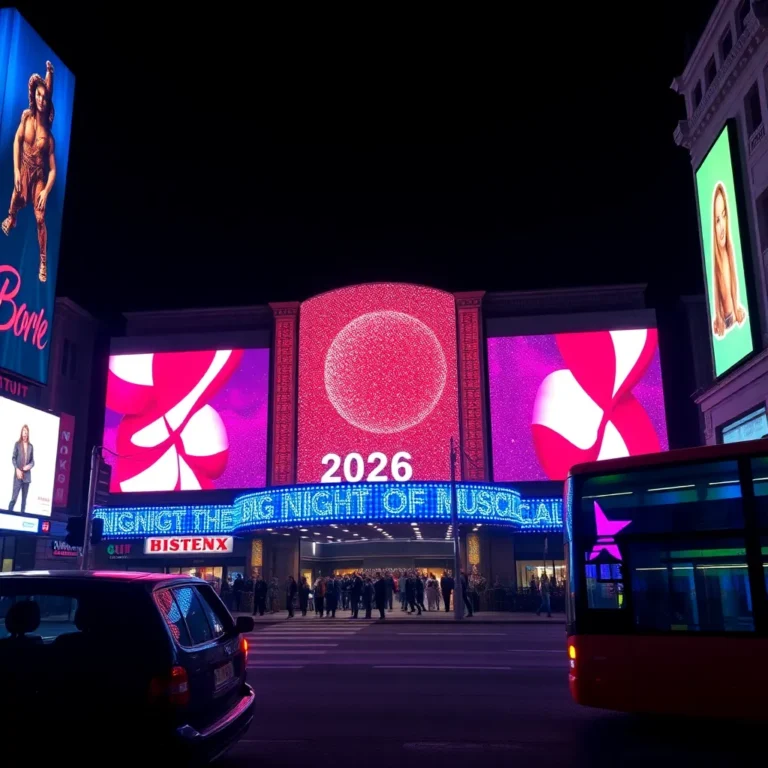
If you have walked along Oxford Street lately, you will have noticed the traffic has gone, and the pavements feel roomier for it. Camden is following suit. After an 18-month trial, the stretch of Camden High Street between Britannia Junction and the junction with Jamestown Road and Hawley Crescent is being made permanently pedestrian-only. Early in 2027, the temporary barriers that have been holding the space together will be swapped for permanent ones, which should make the change feel far less like an experiment. For shoppers, market browsers and anyone who has spent years dodging buses outside the Camden Lock end of the high street, this is a genuine shift in how the area works. Businesses along the route will be watching closely to see whether footfall rises once the layout settles. Officials have also left the door open to extending the pedestrian zone in future, which would be welcome news for those who think the trial has already shown its value. The same pattern is visible across the West End, where Oxford Street runs along the edge of Soho and has already seen its own transformation. Visitors heading to the area’s theatres, restaurants and bars will find more room to wander, but they should allow a little extra time for getting around on foot or by bike. If you live nearby, it is worth checking the revised deliveries, access and loading arrangements before the permanent barriers arrive, since those rules can change the daily routine for local traders and residents alike.
Trains, Tubes and Escalator Closures to Plan Around
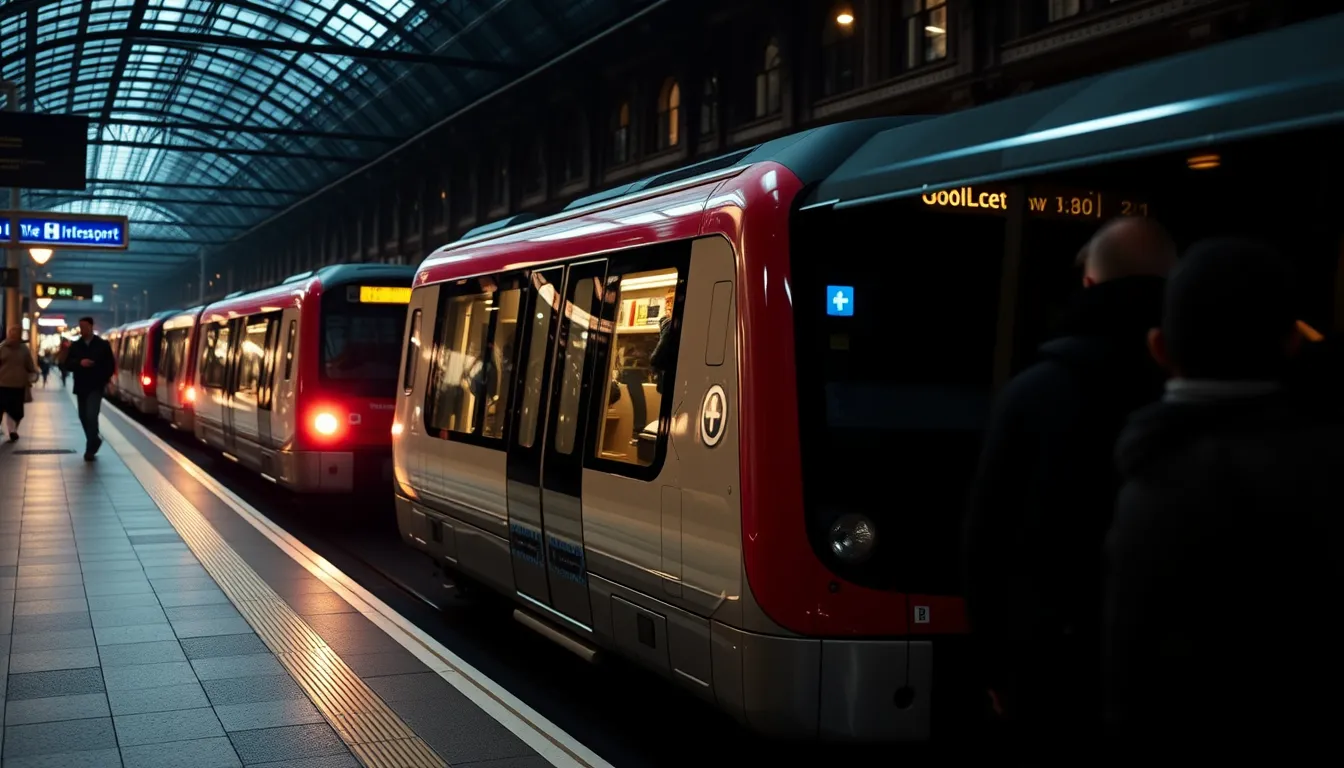
Anyone who relies on the Docklands Light Railway should mark 10 January in their diary. The new DLR trains begin running on the Stratford International and Woolwich Arsenal branch that day, followed by the Bank and Lewisham branch, with wider roll-out between Stratford International and Lewisham and between Canning Town and Beckton from February. The entire network will not be served exclusively by the new trains until spring 2028, so expect a mixed fleet for a while. Tube users face their own disruption. From 2 January, Angel station becomes exit-only at weekends and bank holidays until further notice while Transport for London works on its long escalators, some of the longest on the network and unchanged since the station opened in 1992. City Thameslink will close entirely from 17 May to late December 2027 so that ten escalators can be replaced, which will affect commuters and anyone heading to the City on a regular basis. The Piccadilly line’s new trains, delayed from their original end-2025 date after extensive testing, are now expected between December 2026 and June 2027. It is also a year of milestones. The DLR turns 40 on 31 August, and the Piccadilly line’s Heathrow extension marks 50 years on 16 December. Local transport enthusiasts and families planning a day out may want to keep an eye on the london events calendar around these anniversaries, as celebrations are likely to attract visitors to the city’s transport heritage and its wider london attractions.
Buses, Fares and How to Prepare
Bus services are set for their own changes. The 109 and N109 between Croydon and Brixton will become the latest routes to be served by new electric double-deckers, with 25 vehicles arriving from 30 January. Cleaner, quieter buses are good news for anyone living along the route, particularly in busy stretches where diesel fumes have long been a concern. Later in 2027, Buses for London will take over the number 6 route, becoming Transport for London’s first publicly operated bus route since 2009. TfL says the move is designed to boost reliability and safety, with any profits reinvested in the capital’s transport network. A wider roll-out is planned for 2028, so it is worth watching how the number 6 performs. Three more Superloop routes are also due during 2027: the SL13 between Ealing Broadway and Hendon War Memorial, the SL14 between Stratford Bus Station and Hatch Lane, and the SL15 between Clapham Junction and Eltham stations. Fares are the subject most commuters dread. Tube and rail fares rose by 5.8 per cent in 2026, while bus and tram fares went up by 10p per adult journey. The 2027 increases had not been confirmed at the time of writing, so it is wise to budget with a small buffer in March. Practical steps include checking the TfL journey planner before travelling, signing up for service alerts, comparing pay-as-you-go with contactless caps, and responding to public consultations when they open. Your feedback genuinely shapes what happens next.
Source: At A Glance: What’s Happening With London’s Transport In 2027
Whether you’re planning to visit London for work or leisure, these upcoming transport changes will make getting around the city easier and more pleasant.
Visitors heading to the british museum can reach it easily from Holborn, Tottenham Court Road, or Russell Square stations, and the planned pedestrian improvements would make the walk even more pleasant.
Pedestrian improvements planned around buckingham palace could make walking between the Mall and Green Park far more pleasant for visitors.